
Iran is a land of dazzling architectural masterpieces, ancient history, and legendary hospitality. Stretching from the snow-capped peaks of the Alborz Mountains to the sun-drenched islands of the Persian Gulf, the country offers travelers an unforgettable journey through millennia of Persian culture. Whether you are wandering through labyrinthine bazaars, admiring intricate tilework in centuries-old mosques, or stargazing in the vast Lut Desert, Iran rewards curious explorers at every turn.
Here is your complete guide to the best places to visit, top things to do, and how to plan your trip to Iran.
1. Isfahan: The Architectural Jewel of Persia
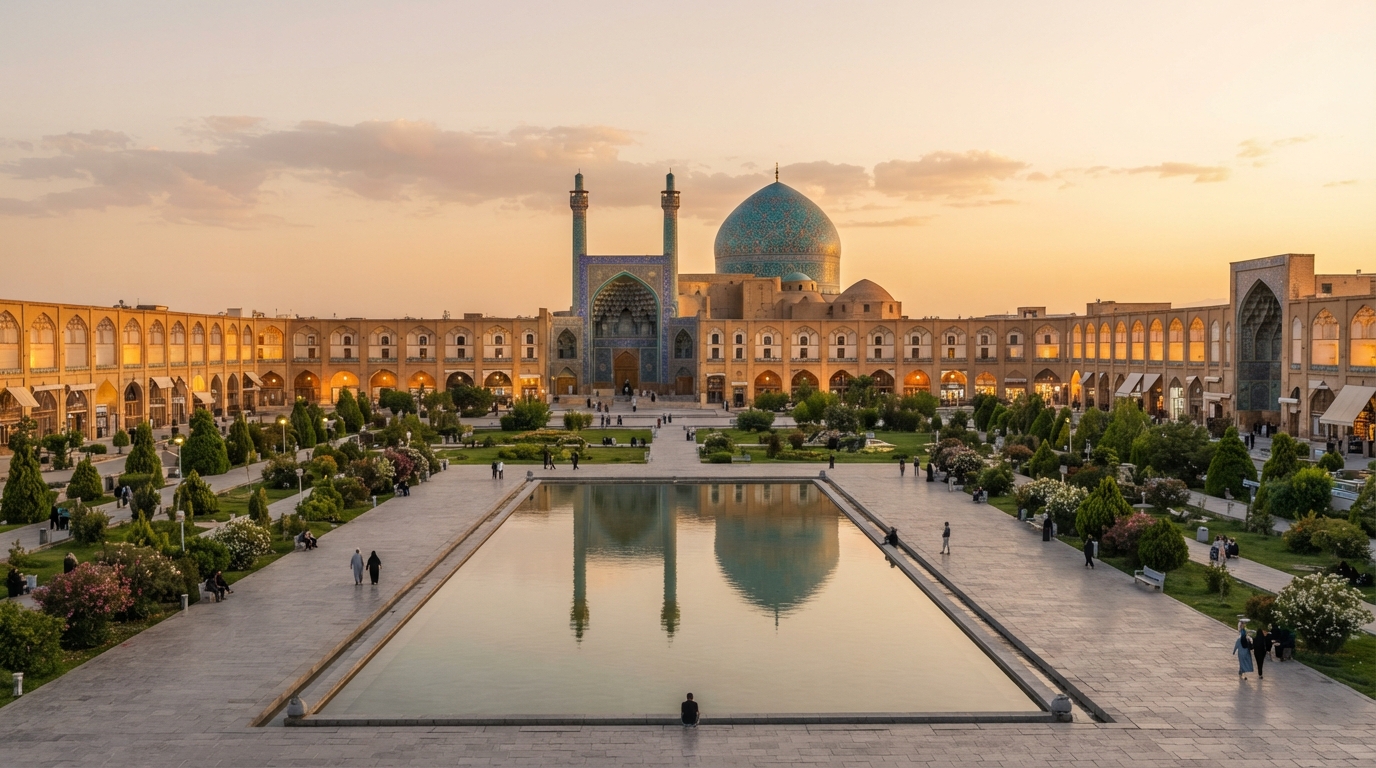
Known locally by the proverb Esfahan nesf-e jahan (“Isfahan is half the world”), this former Safavid capital is widely considered the cultural and architectural heart of Iran.
- Naqsh-e Jahan Square: One of the largest public squares in the world, this UNESCO World Heritage site is framed by monumental wonders. Spend an afternoon admiring the soaring turquoise dome of the Shah Mosque, the delicate cream-and-gold tilework of the Sheikh Lotfollah Mosque, and the royal terraces of the Ali Qapu Palace.
- Historic Bridges: At sunset, join local families strolling across Si-o-se-pol (the Bridge of 33 Arches) and Khaju Bridge, where traditional Persian poetry and singing often echo beneath the stone arches.
- Grand Bazaar of Isfahan: Lose yourself in miles of vaulted brick corridors selling hand-woven Persian carpets, intricate copperware, and gaz (traditional Persian nougat).
2. Shiraz: The City of Poets, Gardens, and Wine
Located in southwestern Iran, Shiraz is famous for its relaxed atmosphere, lush botanical gardens, and deep literary heritage.
- Nasir al-Mulk Mosque (The Pink Mosque): Visit early in the morning when low sunlight streams through floor-to-ceiling stained-glass windows, transforming the prayer hall’s Persian carpets into a kaleidoscope of vibrant colors.
- Tombs of Hafez and Saadi: Pay tribute to Iran’s most beloved poets at their serene marble mausoleums, surrounded by manicured gardens and tea houses.
- Eram Garden: Stroll past towering cypress trees, fragrant citrus groves, and reflecting pools at this classic UNESCO-listed Persian garden.
3. Persepolis: Ruins of the Achaemenid Empire
Just an hour’s drive northeast of Shiraz lies Persepolis, the ceremonial capital of the ancient Persian Empire founded by Darius the Great in 518 BC.
- What to See: Walk through the monumental Gate of All Nations, inspect finely preserved stone bas-reliefs depicting subjects bringing tribute to the king, and gaze up at the towering columns of the Apadana Palace.
- Naqsh-e Rostam: Combine your trip with a visit to this nearby cliffside necropolis, where the colossal rock-cut tombs of Achaemenid kings—including Darius I and Xerxes—are carved high into the stone face.
4. Yazd: Mud-Brick Alleys and Desert Traditions
Set between the Dasht-e Kavir and Dasht-e Lut deserts, Yazd is one of the oldest continuously inhabited cities in the world and a hub of Zoroastrian culture.
- The Historic Old Town: Wander through a maze of narrow adobe alleys designed to trap cool air and shield residents from the desert heat. Look up to spot hundreds of badgirs (windcatchers)—ancient natural air-conditioning towers rising above the skyline.
- Zoroastrian Heritage: Visit the Zoroastrian Fire Temple, which houses a sacred flame said to have been burning continuously since 470 AD, and hike up to the Towers of Silence on the edge of town for panoramic views of the desert basin.
- Amir Chakhmaq Complex: Admire this striking three-story symmetrical facade, especially when illuminated at night.
5. Tehran: A Dynamic Contrast of Old and New
Iran’s bustling capital sits at the foot of the Alborz Mountains and blends royal Qajar palaces with modern galleries, lively cafes, and mountain trails.
- Golestan Palace: A lavish complex of mirrored halls, marble thrones, and tiled courtyards that served as the royal residence of the Qajar dynasty.
- National Museum of Iran & Treasury of National Jewels: Trace 10,000 years of Persian civilization through priceless archaeological artifacts, followed by a look at the dazzling Peacock Throne and the Darya-i-Noor diamond.
- Tabiat Bridge & Darband: Cross the multi-level pedestrian Tabiat Bridge for sweeping city views, or head north to the mountain village of Darband to hike alongside rushing streams and dine at riverside kebab restaurants.
6. Kashan: Historic Mansions and Rosewater
Conveniently located between Tehran and Isfahan, Kashan is famed for its restored merchant houses and centuries-old rosewater distillation traditions.
- Traditional Historic Houses: Tour the Tabatabaei House and Borujerdi House, celebrated for their sunken courtyards, delicate stucco carvings, and stained-glass windows.
- Fin Garden: One of Iran’s oldest surviving Persian gardens, fed by natural mountain springs.
- Abyaneh Village: Take a scenic detour into the Karkas Mountains to explore Abyaneh, a hillside village known for its distinctive red-ochre mud houses and traditional local dress.
7. The Lut Desert & Qeshm Island: Natural Wonders
Beyond its historic cities, Iran boasts dramatic landscapes that appeal to nature lovers and adventure travelers.
- The Lut Desert (Dasht-e Lut): A UNESCO World Heritage site near Kerman, famous for towering sand dunes, salt flats, and kaluts—massive wind-carved sand formations that resemble an ancient ruined city at sunrise and sunset.
- Qeshm Island: Located in the Strait of Hormuz, Iran’s largest island is a UNESCO Global Geopark featuring the dramatic canyon walls of Chahkooh Gorge, the colorful mineral formations of Hormuz Island, and coastal mangrove forests.
Suggested 7-Day Classic Iran Itinerary
If you are visiting Iran for the first time, this classic north-to-south route covers the country’s most iconic cultural and historical highlights at a comfortable pace.
| Day | Destination | Key Highlights & Activities |
|---|---|---|
| Day 1 | Tehran | Arrive in Tehran, visit Golestan Palace and the Grand Bazaar, and enjoy evening views from Tabiat Bridge. |
| Day 2 | Tehran to Kashan | Drive south to Kashan (approx. 3 hours). Explore Fin Garden and the historic Tabatabaei and Borujerdi merchant houses. |
| Day 3 | Kashan to Isfahan | Stop at the red-mud mountain village of Abyaneh en route to Isfahan. Walk across Si-o-se-pol and Khaju bridges at sunset. |
| Day 4 | Isfahan | Spend a full day exploring Naqsh-e Jahan Square, Shah Mosque, Sheikh Lotfollah Mosque, Ali Qapu Palace, and the Grand Bazaar. |
| Day 5 | Isfahan to Yazd | Travel east to Yazd (approx. 4 hours). Wander through the UNESCO-listed mud-brick Old Town and watch sunset from a rooftop cafe. |
| Day 6 | Yazd to Shiraz | Visit the Zoroastrian Fire Temple and Towers of Silence in the morning, then drive southwest to Shiraz. |
| Day 7 | Shiraz & Persepolis | Morning light at Nasir al-Mulk (Pink) Mosque, half-day excursion to Persepolis and Naqsh-e Rostam, and evening visit to Hafez’s Tomb. |
Essential Travel Tips for Visiting Iran
- Best Time to Visit: Spring (March to May) and autumn (September to November) offer the most pleasant weather for sightseeing across the country. Summers can be intensely hot in central and southern regions, while winters bring snow to the north.
- Getting Around: Domestic flights connect major hubs like Tehran, Shiraz, Isfahan, and Mashhad quickly and affordably. For overland travel, Iran’s VIP intercity buses are comfortable and budget-friendly, while hiring a private driver is ideal for visiting off-the-beaten-path sites like Persepolis and Abyaneh.
- Money & Connectivity: International credit and debit cards (such as Visa and Mastercard) do not work in Iran. Bring sufficient cash in Euros or US Dollars to exchange locally, or pick up a prepaid tourist debit card upon arrival. For mobile data, consider purchasing a local tourist SIM card at the airport or setting up an international travel data solution before departure, along with a reliable VPN.
- Dress Code & Etiquette: Modest dress is required in public. Women must wear a headscarf (rusari) and loose-fitting clothing covering arms and legs, while men should wear long trousers. Hospitality (taarof) is central to Persian culture—expect warm welcomes, invitations for tea, and genuine curiosity from locals.
Frequently Asked Questions About Visiting Iran
Is Iran safe for tourists?
Yes, Iran is generally very safe for international visitors, with low rates of violent crime against tourists. Locals are famously welcoming and eager to help travelers, though visitors should follow standard travel precautions, stay updated on regional travel advisories, and respect local laws and customs.
How many days do you need to visit Iran?
A 7 to 10-day trip is ideal for covering Iran’s classic cultural circuit—Tehran, Kashan, Isfahan, Yazd, and Shiraz. If you want to add natural wonders like the Lut Desert, Qeshm Island, or northern mountain regions, plan for 12 to 14 days.
Can you use foreign credit or debit cards in Iran?
No. Due to international banking restrictions, foreign Visa, Mastercard, and American Express cards do not work at ATMs, hotels, or shops in Iran. Travelers must bring crisp, undamaged US Dollars or Euros in cash to exchange at official exchange offices (sarafi) or load onto a local prepaid tourist card.
What is the best month to visit Iran?
April, May, October, and November are widely considered the best months to visit Iran. During these spring and autumn shoulder months, daytime temperatures are mild and comfortable across both central desert cities and historical sites.
Do I need a visa to visit Iran?
Most nationalities require a visa to enter Iran, though many travelers are eligible for an e-Visa prior to departure or a Visa on Arrival (VOA) at major international airports. Citizens of the United States, United Kingdom, and Canada must apply for a visa in advance and are required to travel as part of an organized tour or with a licensed private guide.
Plan Your Trip with SuperboxTravel
Ready to explore the wonders of Persia? Use SuperboxTravel to compare live prices on international flights into Tehran or Shiraz, browse top-rated boutique stays and traditional courtyard hotels, and arrange airport transfers—all in one place with zero hidden booking fees.