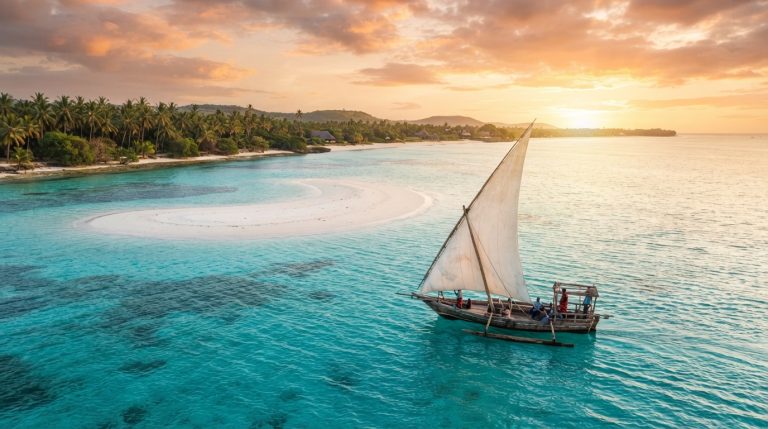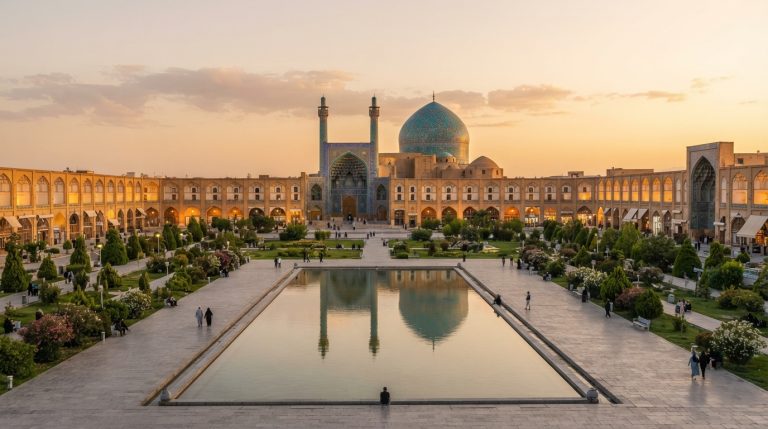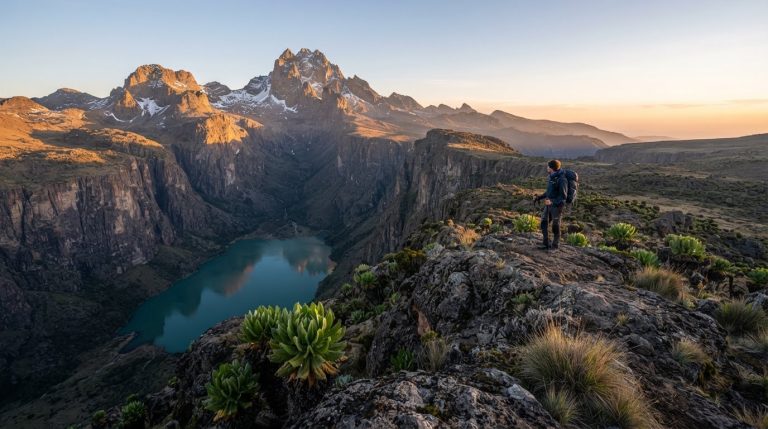
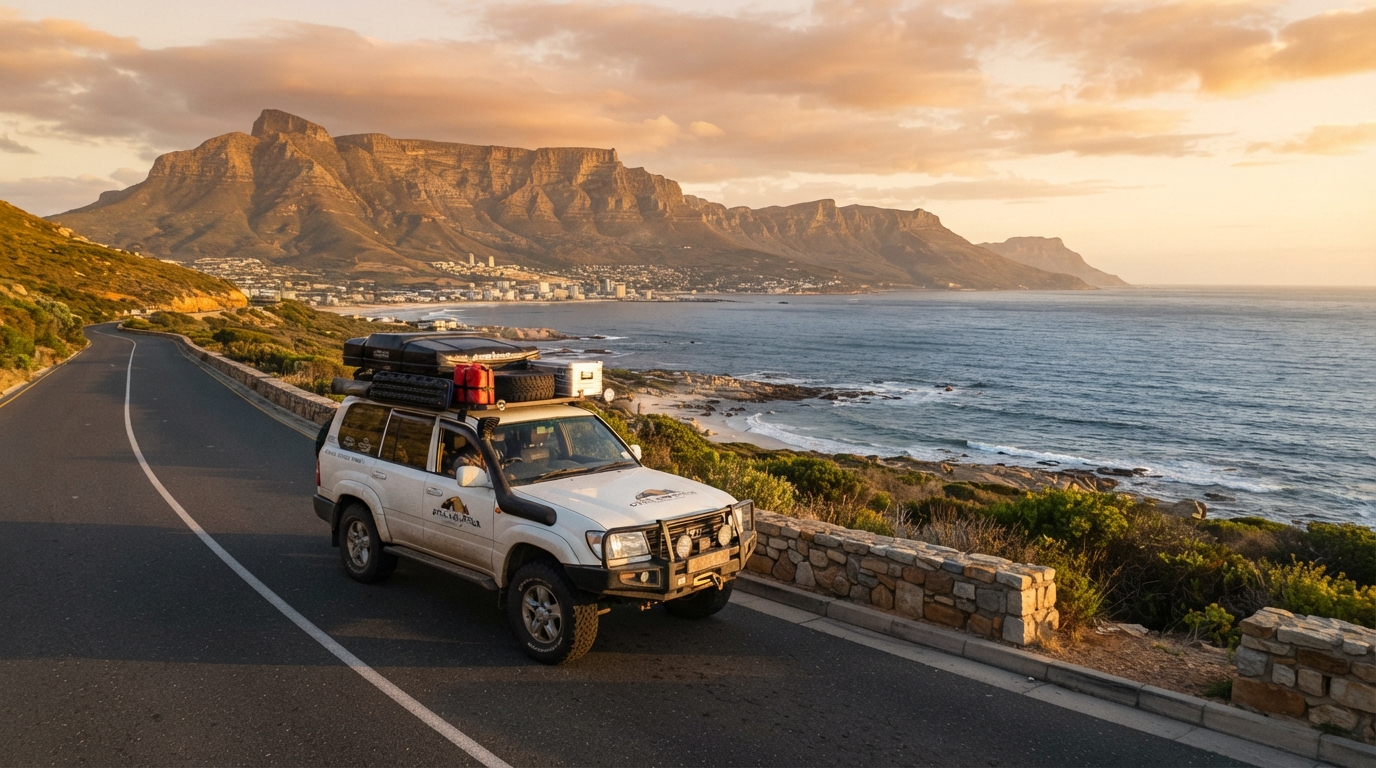

Few journeys on Earth capture the spirit of true adventure quite like traveling from Nairobi to Cape Town by road. Stretching across the eastern and southern spine of the African continent, this legendary overland expedition covers anywhere from 5,300 kilometers on a direct highway push to over 10,000 kilometers if you curve west through Namibia’s desert dunes or hug South Africa’s dramatic coastline.
Along the way, you will watch the landscapes transform from Kenya’s Great Rift Valley and Tanzania’s volcanic highlands to the mighty Zambezi River, the wildlife-packed floodplains of Botswana, and finally, the iconic flat-topped silhouette of Table Mountain overlooking the Atlantic Ocean. Before crossing into Tanzania, many travelers warm up their overland driving legs with some of the most scenic road trips in Kenya or explore the top outdoor adventure spots in Kenya to test their gear before heading south.
Whether you are gearing up for a 4×4 self-drive safari, piecing together cross-border coaches and the historic TAZARA railway on a backpacker budget, or joining an organized overland truck, careful preparation makes all the difference. This comprehensive guide breaks down every route, border requirement, cost estimate, and day-by-day schedule you need to plan the trip of a lifetime.
Quick Overview: The Nairobi–Cape Town Corridor at a Glance
| Travel Metric | Direct Inland Route | Scenic Explorer Route |
|---|---|---|
| Approximate Distance | 5,300 – 6,000 km | 7,500 – 10,500+ km |
| Countries Crossed | 5 (Kenya, Tanzania, Zambia, Botswana, South Africa) | 7–8 (Adds Malawi, Zimbabwe, and/or Namibia) |
| Recommended Duration | 14 – 21 Days (Fast-paced) | 30 – 60 Days (Balanced to relaxed) |
| Pure Driving Time | ~75 – 85 Hours (excluding border delays) | ~110 – 140+ Hours (excluding game drives) |
| Best Time to Travel | June – October (Dry season across most regions) | June – October (Peak wildlife & dry roads) |
| Backpacker Budget (Public Transport) | $1,200 – $2,200 USD per person | $1,800 – $3,200 USD per person |
| Self-Drive Budget (2 People Sharing) | $4,500 – $7,500 USD total | $7,500 – $14,000+ USD total |
Choosing Your Travel Style: Self-Driving vs. Budget Backpacking
Before mapping out daily stops, decide how you want to move across the continent. Understanding Kenya’s top tourist circuits at your starting point also helps you decide whether to exit toward Tanzania via Namanga or loop through Amboseli first. Both travel styles are completely achievable, though they offer dramatically different experiences.
Option 1: Self-Driving (Maximum Freedom & Safari Access)
Driving your own vehicle—or renting an equipped 4×4 in Nairobi for a one-way cross-border drop-off—gives you total control over your schedule. You can wake up at dawn for self-drive game drives in Etosha or Chobe, camp under the stars in remote wilderness areas, and detour to hidden waterfalls without waiting on bus timetables. If you are hiring a vehicle, you can compare 4×4 and SUV car rentals in advance and confirm cross-border clearance terms directly with the provider.
- Best For: Couples, families, photographers, and travelers with a flexible mid-range to upper budget who want deep access to national parks.
- Key Challenge: Managing vehicle paperwork at borders, sourcing reliable fuel in remote stretches, and handling mechanical wear and tear.
Option 2: Budget Backpacking & Public Transport (Authentic & Affordable)
Traveling from Nairobi to Cape Town without your own vehicle is a classic backpacker rite of passage. By combining regional luxury buses, cross-border coaches, local minibuses (matatus and dala-dalas), and the famous TAZARA railway, you can cross the continent for a fraction of the cost of a 4×4 rental.
- Best For: Solo travelers, long-term backpackers, and culture-focused explorers who enjoy meeting locals on long-distance transit.
- Key Challenge: Longer transit days, rigid departure schedules (especially for trains), and needing local taxis or tour shuttles to reach national parks outside main towns.
Best Routes from Nairobi to Cape Town
1. The Direct Inland Highway Corridor (Fastest & Most Straightforward)
Route: Nairobi → Arusha → Dodoma / Iringa → Tunduma/Nakonde → Kapiri Mposhi → Lusaka → Livingstone → Kazungula → Francistown → Gaborone → Johannesburg → Cape Town
This corridor follows paved major highways nearly the entire way. From Nairobi, you cross into Tanzania at Namanga, head south through central or southern Tanzania to the Tunduma/Nakonde border, and follow Zambia’s Great North Road (T2) down to Lusaka and Livingstone. From there, you cross the Zambezi River via the modern Kazungula One-Stop Border Post into Botswana, cruise down the A1 highway through Francistown and Gaborone, enter South Africa near Zeerust/Gaborone, and take the N1 highway straight through Johannesburg, Bloemfontein, and the Great Karoo into Cape Town.
2. The Classic Rift-to-Dunes Explorer Route (Most Scenic)
Route: Nairobi → Serengeti/Ngorongoro → Dar es Salaam / Iringa → Lake Malawi → South Luangwa → Victoria Falls → Chobe & Okavango Delta → Etosha → Sossusvlei → Fish River Canyon → Cape Town
If you have 30 to 45 days, curving off the main spine unlocks Southern Africa’s greatest natural wonders. After exploring northern Tanzania, dip down to the freshwater beaches of Lake Malawi before cutting west into Zambia’s South Luangwa National Park. After Victoria Falls and Botswana’s Chobe Riverfront, head west through Namibia’s Caprivi Strip to witness Etosha’s salt pans, the towering red dunes of Sossusvlei, and Fish River Canyon before crossing the Orange River into South Africa’s Western Cape.
3. The Public Transport & Rail Corridor (Best for Backpackers)
Route: Nairobi → Dar es Salaam (Bus) → New Kapiri Mposhi (TAZARA Train) → Lusaka (Bus) → Livingstone (Bus) → Gaborone (Bus) → Johannesburg (Coach) → Cape Town (Luxury Coach or Baz Bus)
For travelers relying on public transit, routing through Dar es Salaam allows you to board the legendary TAZARA Railway—a 1,860-kilometer rail line cutting straight through southern Tanzania’s wilderness and crossing the border into Zambia. From central Zambia, seamless long-distance bus networks connect Lusaka, Livingstone, Gaborone, Johannesburg, and Cape Town.
Step-by-Step Public Transport Guide (Buses, Trains & Shuttles)
If you are traveling without a car, here is how to navigate each leg smoothly—and when planning overland rail segments, you can also search regional rail routes and train tickets alongside local station schedules:
Leg 1: Nairobi to Arusha or Dar es Salaam (Kenya → Tanzania)
- To Arusha (~5–6 hours): Frequent daily shuttles (such as Riverside Shuttle or Impala Shuttle) and regional buses depart Nairobi’s city center in the morning, crossing at Namanga.
- To Dar es Salaam (~14–16 hours): Direct cross-border coaches (including Tahmeed, Dar Express, and Modern Coast) run daily from Nairobi via Namanga or Mombasa/Horohoro.
Leg 2: Dar es Salaam to New Kapiri Mposhi via the TAZARA Train (Tanzania → Zambia)
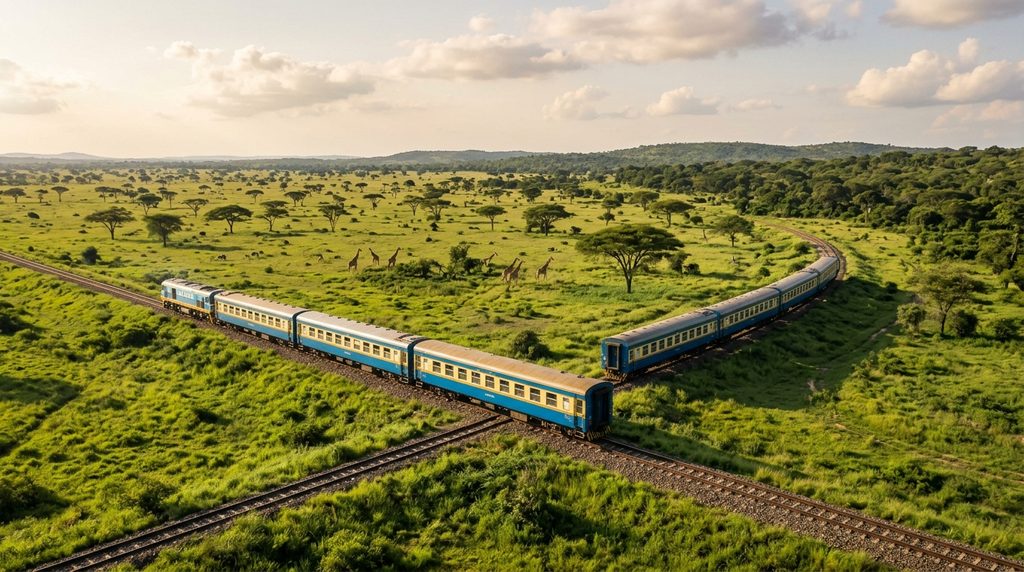
- The Experience: Built in the 1970s, the TAZARA Railway is one of Africa’s greatest train journeys, passing right through Nyerere National Park (Selous) where you can often spot giraffes and elephants from your compartment window.
- Schedule & Booking: Passenger trains typically run on a limited weekly schedule (historically departing Dar es Salaam on Tuesday and Friday afternoons, taking roughly 46 to 60+ hours depending on delays). Tickets cannot reliably be booked online from abroad—visit the TAZARA station ticket office in Dar es Salaam several days in advance (or arrange through a local agent) to secure a 1st Class (4-berth) or 2nd Class (6-berth) sleeper compartment. Note: Always verify current cross-border operational status locally before departure, as schedules occasionally split at the Nakonde/Tunduma border for track maintenance.
- Alternative Bus Option: If the train schedule doesn’t align, direct luxury buses (such as Taqwa or Falcon) run from Dar es Salaam to Lusaka in roughly 28–32 hours.
Leg 3: Kapiri Mposhi to Lusaka & Livingstone (Zambia)
- From New Kapiri Mposhi station, frequent local buses and shared taxis make the 3-hour drive south to Lusaka.
- From Lusaka’s Intercity Bus Terminus, comfortable coaches (Mazhandu Family Bus, Power Tools, Juldan Motors) take 7–8 hours to reach Livingstone (Victoria Falls).
Leg 4: Livingstone to Gaborone & Johannesburg (Zambia → Botswana → South Africa)
- Cross from Livingstone via the Kazungula Bridge into Kasane, Botswana, where overnight buses (such as Seabelo Express or Mahube Express) connect to Francistown and Gaborone.
- Alternatively, direct long-distance coaches (such as Intercape or Andrich Coach Services) operate directly between Lusaka and Johannesburg (approx. 24–28 hours via Zimbabwe or Botswana).
- From Gaborone, frequent minibuses and coaches reach Johannesburg’s Park Station in 5–6 hours.
Leg 5: Johannesburg to Cape Town (South Africa)
- By Luxury Coach (~18–20 hours): Operators like Intercape (Sleepliner and Mainliner), Greyhound, and Eldo Coaches run multiple daily departures from Johannesburg Park Station to Cape Town Civic Centre.
- By Baz Bus (Hop-On, Hop-Off Backpacker Shuttle): If you want to explore the Drakensberg Mountains, Wild Coast, and Garden Route along the way, Baz Bus picks up and drops off directly at backpacker hostels between Johannesburg and Cape Town.
21-Day Backpacker Schedule: Nairobi to Cape Town by Bus & Train
Traveling from Nairobi to Cape Town on public transport requires smart pacing—balancing long overnight transit legs with active exploration days so you never burn out. This 21-day backpacker schedule connects reliable regional coaches, the historic TAZARA railway, and South Africa’s hop-on/hop-off shuttle network.
Days 1–3: Kenya to the Tanzanian Coast (Nairobi → Dar es Salaam)
- Day 1: Nairobi to Dar es Salaam (Overnight Express Bus | ~14–16 hrs)
Board an early morning direct coach (such as Tahmeed, Dar Express, or Modern Coast) from Nairobi’s River Road or Mombasa Road terminals. You will clear the Namanga (or Horohoro via Mombasa) border post en route, arriving in bustling Dar es Salaam late at night or early the next morning. - Day 2: Dar es Salaam & TAZARA Ticket Booking
Head straight to the TAZARA Railway Station on Nyerere Road in the morning to purchase your sleeper ticket in person (aim for 1st Class 4-berth or 2nd Class 6-berth). Spend the afternoon exploring Kariakoo Market, sampling fresh grilled seafood at Slipway, or taking a quick ferry over to Kigamboni beach. - Day 3: Optional Zanzibar Day Trip or Buffer Day
Because TAZARA passenger trains typically depart only twice a week (historically Tuesdays and Fridays), use Day 3 as a flexible buffer—either catch the high-speed Azam Marine ferry (2 hours) to explore Stone Town in Zanzibar, or relax in Dar es Salaam before boarding your train.
Days 4–6: Crossing the Wilderness by Rail (Dar es Salaam → New Kapiri Mposhi)
- Day 4: Board the TAZARA Train (Departure ~1:50 PM / 3:50 PM)
Stock up on drinking water, fresh fruit, snacks, and cash before boarding. As the train pulls out of Dar es Salaam, settle into your compartment and watch urban sprawl give way to rural Tanzanian villages. - Day 5: Through Nyerere National Park & the Kipengere Mountains
Wake up early as the train cuts straight through the unfenced wilderness of Nyerere National Park (Selous)—keep your camera ready for giraffes, elephants, zebras, and impalas grazing beside the tracks. By afternoon, the train climbs dramatically through tunnels and bridges into the cool southern highlands around Mbeya before reaching the Tunduma/Nakonde border at night. - Day 6: Arrive in New Kapiri Mposhi & Transfer to Lusaka (~46–55 hrs total rail + 3 hrs bus)
After rolling across Zambia’s northern plateau, disembark at New Kapiri Mposhi station. Walk out to the main road to hop on a frequent local minibus or shared taxi for the 3-hour ride south to Lusaka. Check into a backpacker hostel (like Lusaka Backpackers) for a hot shower and a real bed.
Days 7–10: Zambia’s Capital to Victoria Falls (Lusaka → Livingstone)
- Day 7: Rest & Resupply in Lusaka
Take a breather from transit. Visit Kabwata Cultural Village for local crafts, grab lunch at Sunday’s Farmers Market (if over a weekend), and buy your onward coach ticket at the Intercity Bus Terminus for the next morning. - Day 8: Lusaka to Livingstone (Luxury Coach | ~7–8 hrs)
Catch a morning coach with Mazhandu Family Bus, Power Tools, or Juldan Motors heading southwest along the paved T1 highway, arriving in Livingstone by mid-afternoon. - Day 9: Victoria Falls (Mosi-oa-Tunya) & Zambezi Sunset
Take a local shared taxi (blue cab) from town to the Victoria Falls entrance gate. Spend the morning walking the misty cliffside viewpoints, then browse guided day tours and safari excursions to book a budget sunset cruise or a thrilling micro-light flight over the gorge. - Day 10: Livingstone Adventure Day (or Zimbabwe Side Trip)
Tackle white-water rafting on the Zambezi River, go bungee jumping off the Victoria Falls Bridge, or walk across the border into Victoria Falls town in Zimbabwe for panoramic views from the Main Falls.
Days 11–13: Across Botswana to Johannesburg (Livingstone → Gaborone → Joburg)
- Day 11: Livingstone to Kazungula & Overnight Bus to Gaborone (~14–16 hrs total)
Take a morning taxi to the Kazungula One-Stop Border Post, walk across the Zambezi bridge into Kasane, Botswana, and catch an afternoon/evening long-distance bus (such as Seabelo Express or Mahube Express) south through Nata and Francistown toward Gaborone. - Day 12: Gaborone to Johannesburg (Cross-Border Coach / Minibus | ~5–6 hrs)
Arrive in Botswana’s capital, Gaborone, in the morning. Grab breakfast at the main bus rank, then hop on a cross-border shuttle or coach through the Tlokweng/Kopfontein border straight into Johannesburg Park Station. Arrange a direct hostel pickup or book reliable airport and city transfers rather than walking out of Park Station with bags. - Day 13: Johannesburg Culture & History Day
Join a guided walking tour of the Maboneng Precinct, visit the Apartheid Museum, or take a half-day bicycle tour through Soweto to visit Vilakazi Street.
Days 14–21: South Africa’s Coast & Garden Route (Johannesburg → Cape Town)
- Day 14: Johannesburg to the Drakensberg Mountains (Baz Bus / Coach | ~5–6 hrs)
Board the Baz Bus (South Africa’s door-to-door backpacker shuttle) or an Intercape coach heading southeast into the dramatic peaks of the Northern or Central Drakensberg (Amphitheatre Backpackers is a classic stop). - Day 15: Drakensberg Hiking Day
Spend a full day hiking the Tugela Gorge trail or ascending to the top of the Amphitheatre escarpment for sweeping mountain views. - Day 16: Drakensberg to Durban & the Wild Coast (~5–7 hrs)
Continue south toward the warm Indian Ocean coast, passing through Durban down to the laid-back surf and cliffside villages of the Wild Coast (such as Coffee Bay or Cintsa). - Day 17: Wild Coast Chill & Hole in the Wall Hike
Hike along rolling coastal hills to the famous Hole in the Wall sea arch, try a beginner surf lesson, and enjoy an affordable communal hostel braai (barbecue). - Day 18: Wild Coast to Jeffrey’s Bay / Tsitsikamma (~6–7 hrs)
Enter the Eastern Cape’s Garden Route, stopping in world-renowned surf town Jeffrey’s Bay or the indigenous coastal forests of Tsitsikamma National Park. - Day 19: Tsitsikamma to Knysna or Wilderness (~2–3 hrs)
Walk the suspension bridges over Storms River Mouth, tackle the world’s highest commercial bridge bungee at Bloukrans, and continue to Wilderness for canoeing on the Touw River lagoon. - Day 20: Wilderness to Cape Town via Hermanus (~5–6 hrs)
Ride the final stretch along the N2 highway—keeping an eye out for Southern Right Whales off the cliffs of Hermanus (June–November)—before cresting Sir Lowry’s Pass for your first iconic view of Table Mountain and Cape Town’s city bowl. - Day 21: Cape Town Finish Line
Celebrate completing your overland journey across Africa! Hike or ride the cable car up Table Mountain, explore the colorful streets of Bo-Kaap, and watch the sunset from Signal Hill or Camps Bay.
Pro Tips for Public Transport Travelers
- Build in Buffer Days: African train and bus schedules run on “Africa time.” Always leave at least 1–2 spare days before booking any non-refundable return flights out of Cape Town.
- Book Major Coaches 24–48 Hours Ahead: While local minibuses leave when full, long-distance cross-border coaches (like Intercape, Tahmeed, and Mazhandu) sell out quickly—especially on Fridays and month-ends.
- Pack a Daypack for Valuables: Keep your passport, Yellow Fever card, cash, electronics, and a light fleece in a small backpack at your feet rather than in the bus’s under-carriage luggage hold.
30-Day Sample Self-Drive Itinerary: Nairobi to Cape Town
For travelers behind the wheel of a 4×4 or rugged SUV, this 30-day self-drive itinerary weaves together East Africa’s highlands, Zambia’s wild rivers, Botswana’s waterways, and Namibia’s dramatic desert landscapes before finishing in Cape Town. (Tip: If you have extra time before heading south, tack on a 7-day Kenya bush and beach safari to experience the Maasai Mara and Diani Beach before departing Nairobi.)
Week 1: Kenya & Tanzania (Rift Valley to the Southern Highlands)
- Day 1: Nairobi to Arusha, Tanzania (275 km | ~5–6 hrs)
Depart Nairobi early via the A104 highway to the Namanga One-Stop Border Post. Clear immigration, purchase Tanzanian road permits/insurance, and settle into Arusha beneath Mount Meru. - Day 2: Tarangire National Park or Ngorongoro Crater Excursion
Take a full-day game drive among Tarangire’s giant baobabs and elephant herds, or descend into the Ngorongoro Crater to spot the Big Five. - Day 3: Arusha to Dodoma (440 km | ~7 hrs)
Drive south along the paved A104 through Babati and Kondoa, watching the scenery shift from lush volcanic highlands to arid acacia plains in Tanzania’s capital. - Day 4: Dodoma to Iringa (260 km | ~4.5 hrs)
Descend through the dramatic Great Rift escarpment and cross the Ruaha River valley up into the cool highland town of Iringa. - Day 5: Ruaha National Park Safari (or Old Farm Rest Day)
Spend a day exploring Ruaha National Park, Tanzania’s largest park, famous for massive prides of lions and wild dogs—or unwind at a historic highland farmhouse. - Day 6: Iringa to Mbeya (330 km | ~5.5 hrs)
Wind through the Kipengere Range and lush tea plantations into Mbeya, your final major Tanzanian hub before the Zambian border. - Day 7: Mbeya to Kapishya Hot Springs, Zambia (370 km | ~7 hrs including border)
Cross into Zambia at the Tunduma/Nakonde border (expect busy freight truck queues; arrive early). Continue down the Great North Road to soak in the natural geothermal springs at Kapishya near Shiwa Ng’andu.
Week 2: Zambia & Chobe Riverfront
- Day 8: Kapishya to South Luangwa National Park (450 km | ~8 hrs)
Head southwest toward Chipata and Mfuwe, entering South Luangwa National Park—widely considered the birthplace of the walking safari. - Day 9: South Luangwa Safari
Enjoy a morning walking safari along the Luangwa River followed by an evening night drive to spot leopards, hyenas, and genets. - Day 10: South Luangwa to Lusaka (700 km | ~10–11 hrs)
A long paved highway transit day along the Great East Road (T4) across the Luangwa Bridge into Zambia’s bustling capital, Lusaka. - Day 11: Lusaka to Livingstone (485 km | ~6.5 hrs)
Cruise southwest along the T1 highway through Mazabuka and Choma to Livingstone, the adventure capital of Zambia. - Day 12: Victoria Falls & Zambezi River
Walk the misty rainforest trails facing Victoria Falls (Mosi-oa-Tunya), swim in Devil’s Pool (seasonal), or take a sunset cruise on the Zambezi. - Day 13: Optional Crossing to Victoria Falls Town, Zimbabwe
Cross the historic Victoria Falls Bridge to view the falls from the Zimbabwean side and browse local craft markets. - Day 14: Livingstone to Kasane & Chobe Riverfront, Botswana (85 km | ~2.5 hrs)
Cross the Zambezi via the sleek Kazungula Bridge into Botswana. Take an afternoon boat safari on the Chobe River to watch hundreds of elephants swim and drink at sunset.
Week 3: Botswana & Namibia (Delta Waterways to Desert Dunes)
- Day 15: Kasane to Nata (315 km | ~4 hrs)
Drive south along the A33—watch out for wild elephants and ostriches crossing the unfenced highway! Overnight near the Makgadikgadi Salt Pans. - Day 16: Nata to Maun (300 km | ~4 hrs)
Head west to Maun, the gateway to the Okavango Delta. Arrange a scenic light-aircraft flight over the flooded delta channels in the late afternoon. - Day 17: Okavango Delta Mokoro Excursion
Glide silently through papyrus-lined waterways in a traditional dugout canoe (mokoro) with a local poler, stopping on islands for guided bush walks. - Day 18: Maun to Ghanzi (285 km | ~4 hrs)
Travel southwest into the Kalahari Basin to Ghanzi, where you can learn about traditional tracking and survival skills with the San (Bushman) community. - Day 19: Ghanzi to Windhoek, Namibia (520 km | ~6.5 hrs)
Cross the Trans-Kalahari Border Post (Mamuno/Buitepos) into Namibia and drive west to Windhoek, a clean, German-influenced capital ideal for restocking supplies. - Day 20: Windhoek to Etosha National Park (435 km | ~5 hrs)
Head north to Etosha National Park, famous for its shimmering white salt pan and floodlit waterholes where rhinos, lions, and elephants gather after dark. - Day 21: Full-Day Game Drive Across Etosha
Drive from waterhole to waterhole across the southern edge of the Etosha Pan, spotting springbok, oryx, zebra, and black rhinos.
Week 4: Namibia’s Skeleton Coast, Sossusvlei & South Africa
- Day 22: Etosha to Swakopmund via Damaraland (500 km | ~6.5 hrs)
Pass through rugged Damaraland’s red granite mountains to reach the Atlantic coast at Swakopmund, a coastal town framed by towering sand dunes and crashing ocean waves. - Day 23: Swakopmund Adventure Day
Go sandboarding down coastal dunes, kayak alongside Cape fur seals at Pelican Point, or explore Walvis Bay’s flamingo lagoons. - Day 24: Swakopmund to Sesriem / Sossusvlei (350 km | ~5 hrs gravel)
Cross the Tropic of Capricorn and traverse the scenic Kuiseb and Gaub Passes along gravel roads into the heart of the Namib Desert. - Day 25: Sossusvlei, Dune 45 & Deadvlei
Enter the park gates before sunrise to climb Dune 45 and photograph the surreal 900-year-old blackened camelthorn trees inside Deadvlei. - Day 26: Sesriem to Fish River Canyon (530 km | ~7 hrs)
Journey south across vast desert plains to Fish River Canyon, the largest canyon in Africa and second only to the Grand Canyon in scale. - Day 27: Fish River Canyon to Orange River / Springbok, South Africa (300 km | ~4.5 hrs)
Cross the Noordoewer/Vioolsdrif border over the Orange River into South Africa’s Northern Cape, entering Namaqualand (famous for wildflowers in August–September). - Day 28: Springbok to Cederberg Mountains (350 km | ~4 hrs)
Follow the N7 highway south into the rugged sandstone peaks of the Cederberg, home to ancient San rock art and rooibos tea farms. - Day 29: Cederberg to Cape Town via the Cape Winelands (260 km | ~3.5 hrs)
Stop for a wine tasting in Stellenbosch or Franschhoek before catching your first breathtaking view of Table Mountain as you roll into Cape Town. - Day 30: Cape Town Celebration
Ride the aerial cableway up Table Mountain, drive Chapman’s Peak to the Cape of Good Hope, and toast the completion of your trans-African overland journey at the V&A Waterfront.
Essential Documents & Border Crossing Checklist
Border crossings in Eastern and Southern Africa are manageable if your paperwork is organized in a dedicated folder. Keep originals separate and carry at least 5–10 photocopies of every document.
Personal Documents (All Travelers)
- Passport & Entry Authorizations: Must be valid for at least 6 months beyond your return date with at least 6 to 8 blank visa pages (each country stamps entry and exit pages). International travelers flying into Nairobi to start their trip should also double-check Kenya eTA entry requirements well before departure.
- Regional Visas & Univisas:
- East African Community (EAC) citizens: Enjoy visa-free entry across Kenya, Tanzania, and many SADC nations—carry your national ID alongside your passport.
- International travelers: Check e-visa rules in advance. If visiting both Zambia and Zimbabwe, buy the $50 USD KAZA Univisa at the border, which covers multiple entries between both countries plus day trips into Chobe, Botswana.
- Yellow Fever Vaccination Certificate: Strictly required when crossing from Kenya and Tanzania into Zambia and South Africa.
Vehicle Documents (Self-Drivers Only)
- Valid Driver’s License & IDP: Your national English-language license is valid throughout the region, paired with an International Driving Permit (IDP).
- Original Vehicle Registration / Logbook: Present the original for visual inspection at customs, but only hand over photocopies for filing. If the vehicle is financed or rented, carry a notarized Letter of Authority from the bank or rental company permitting cross-border travel.
- COMESA Yellow Card Insurance: Buy this in Nairobi before departure—it provides mandatory third-party motor liability coverage across Kenya, Tanzania, Malawi, Zambia, and Zimbabwe.
- Local Third-Party Insurance & Road Taxes: For Botswana, Namibia, and South Africa, purchase temporary third-party insurance and pay road user / carbon tax fees directly at the border customs office (carry USD cash and a Visa/Mastercard).
- Carnet de Passage en Douane (CPD): Kenyan-registered vehicles traveling strictly within COMESA/SADC countries generally enter on free or low-cost Temporary Import Permits (TIPs) without a Carnet. However, if you are driving a foreign-registered vehicle shipped from outside Africa, a Carnet de Passage is essential.
Vehicle Prep, Safety & Road Rules
- Mandatory Safety Equipment: Traffic police regularly inspect vehicles for compliance. Ensure your car carries:
- Two reflective warning triangles
- High-visibility safety vests for the driver and every passenger
- A serviced fire extinguisher and first-aid kit
- Red and white reflective bumper tape (strictly required on front and rear bumpers in Zambia)
- ZA / KE country oval sticker on the rear of your vehicle
- Never Drive After Dark: Unlit highways, deep potholes, wandering cattle, and broken-down freight trucks with no hazard lights make night driving the single biggest safety risk on this route. Plan every day so you arrive at your campsite or lodge by 4:30 PM.
- Speed Limits & Police Checkpoints: Speed cameras and radar traps are common in Tanzania (especially 50 km/h zones passing through small villages) and South Africa. Always come to a complete stop at stop signs and police roadblocks, greet officers politely, and keep your documents handy.
- Cash & Currency Strategy: Carry crisp, post-2013 US Dollar bills ($10s, $20s, $50s, and $100s) for border fees and visas, alongside a multi-currency travel card. ATMs are reliable in major cities, though smaller border towns sometimes run out of cash over weekends.
- Stay Connected Without SIM Swaps: Buying and registering physical SIM cards at 5 to 8 different borders wastes hours. Activate an instant international travel eSIM before leaving Nairobi so you have seamless mobile data for Google Maps, iOverlander campsite reviews, currency conversions, and emergency contact.
Detailed Cost & Budget Breakdown
Your total spend depends heavily on accommodation choices, fuel prices, and wildlife excursions. Comparing typical Kenya safari costs against self-drive park conservation fees in Tanzania, Zambia, and Botswana helps you allocate your daily wildlife budget accurately:
1. Self-Drive Road Trip (30 Days, 2 People Sharing)
- 4×4 Vehicle Rental (One-Way Cross-Border): $3,500 – $6,500 USD (or $0 if driving your own car, plus ~$500–$800 for pre-trip servicing and spare tires)
- Fuel (7,500 – 9,000 km): $1,100 – $1,600 USD
- Border Permits, Carbon Taxes, Insurance & Tolls: $350 – $550 USD
- Accommodation:
- Camping (rooftop tent/ground tent): $15 – $35 USD/night ($450 – $1,050 total)
- Mid-range lodges & guesthouses: $80 – $180 USD/night ($2,400 – $5,400 total)
- National Park Entry Fees & Activities: $600 – $1,500 USD per person
- Food, Water & Supplies: $600 – $1,000 USD total
2. Budget Backpacking via Public Transport (21–30 Days, Solo Traveler)
- Buses, Shuttles & TAZARA Train Tickets: $350 – $600 USD total
- Visas & Yellow Fever Certificate: $150 – $300 USD
- Accommodation (Hostel Dorms & Budget Private Rooms): $15 – $40 USD/night ($450 – $1,200 total)
- Food & Street Eats: $10 – $20 USD/day ($300 – $600 total)
- Day Tours & Park Excursions: $400 – $900 USD total
Frequently Asked Questions (FAQs)
How many days does it take to drive from Nairobi to Cape Town?
While non-stop driving takes roughly 75 to 85 hours, a realistic overland road trip takes 21 to 35 days. If you want to include major safari detours through the Serengeti, Lake Malawi, Victoria Falls, the Okavango Delta, and Namibia, plan for 30 to 45 days.
Can you travel from Nairobi to Cape Town without a car?
Yes. Budget travelers regularly complete the journey using public transport by taking a bus from Nairobi to Dar es Salaam, riding the TAZARA train from Dar es Salaam to New Kapiri Mposhi in Zambia, and connecting via long-distance coaches through Lusaka, Livingstone, Gaborone, and Johannesburg down to Cape Town.
Is it safe to drive from Nairobi to Cape Town?
Yes, thousands of overlanders and tourists complete the route safely every year. The biggest safety hazards are road-related rather than crime-related: avoid driving at night, watch for livestock and potholes on rural highways, obey local speed limits, and secure valuables out of sight when parked in major cities like Lusaka, Johannesburg, or Cape Town.
Do I need a 4×4 to drive from Nairobi to Cape Town?
If you stick strictly to the paved main highway route through Tanzania, Zambia, Botswana, and South Africa, a sturdy AWD SUV with good ground clearance can make the trip during the dry season. However, a 4×4 vehicle is strongly recommended if you plan to explore national parks, drive Namibia’s corrugated gravel roads, or travel during the rainy season.
Which countries do you pass through from Nairobi to Cape Town?
On the shortest direct route, you travel through five countries: Kenya, Tanzania, Zambia, Botswana, and South Africa. On the popular scenic overland route, travelers also pass through Malawi, Zimbabwe, and Namibia (up to eight countries total).
Plan Your Nairobi to Cape Town Adventure with SuperboxTravel
Whether you are booking overnight lodges between long highway stretches, arranging one-way flights back to Nairobi, or setting up borderless mobile data before departure, SuperboxTravel helps you compare prices from trusted global partners with zero hidden fees:
- Compare Stays Along the Route: Use SuperboxTravel to compare verified hotels and safari lodges in Arusha, Lusaka, Livingstone, Maun, Windhoek, and Cape Town.
- Rent a Vehicle: Browse and compare 4×4 and SUV car rentals—always confirm cross-border authorization policies directly with the rental provider before booking.
- Book Regional Rail & Transfers: Easily search regional rail routes and train tickets or book reliable airport and city transfers for seamless city arrivals.
- Discover Local Excursions: Check availability and browse guided day tours and safari excursions at Victoria Falls, Chobe, and Cape Town.
- Grab a Regional Travel eSIM: Activate an instant international travel eSIM covering Eastern and Southern Africa before leaving Nairobi.
- Book Your Return Flight: Once you celebrate atop Table Mountain, compare one-way flights from Cape Town to Nairobi to wrap up your adventure effortlessly.