
Kenya is one of Africa’s premier travel destinations, offering far more than a single safari experience. Within its borders lie snow-capped equatorial mountains, vast savannahs, freshwater rift lakes, tropical rainforests, and white-sand Indian Ocean beaches. To help travelers navigate this remarkable geographic diversity, Kenya’s tourism industry organizes the country into six distinct regional circuits.
Whether you are planning your first Big Five safari, a coastal family retreat, or a rugged off-the-beaten-path expedition, understanding these tourist circuits will help you connect destinations logically and build the ultimate Kenyan itinerary.
Quick Comparison of Kenyan Tourist Circuits
| Tourist Circuit | Key Parks & Destinations | Best For | Ideal Duration |
|---|---|---|---|
| Southern Circuit | Maasai Mara, Amboseli, Tsavo, Nairobi | First-time visitors, Big Five, Great Migration | 4–6 Days |
| Central Circuit | Mount Kenya, Ol Pejeta, Aberdare | Trekking, rhino sanctuaries, highlands | 3–4 Days |
| Rift Valley Circuit | Lakes Nakuru, Naivasha, Bogoria, Hell’s Gate | Birdwatching, walking safaris, hot springs | 2–4 Days |
| Coastal Circuit | Diani, Mombasa, Watamu, Lamu | Beaches, diving, Swahili history | 3–5 Days |
| Northern Circuit | Samburu, Lewa, Lake Turkana | Off-the-beaten-path, rare arid wildlife | 4–5 Days |
| Western Circuit | Kakamega, Lake Victoria, Ruma | Rainforest hikes, primate tracking | 3–4 Days |
1. The Southern Circuit: Classic Safaris and Iconic Landscapes
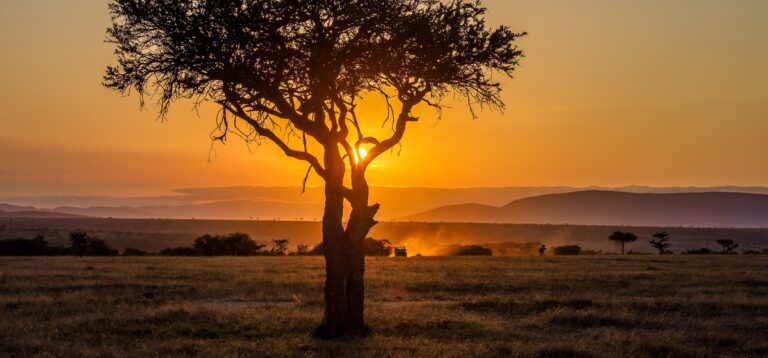
The Southern Circuit is Kenya’s most famous and accessible safari route, making it the top choice for first-time visitors. Anchored by the capital city of Nairobi, this circuit takes travelers through sweeping acacia-dotted plains and dramatic vistas beneath Mount Kilimanjaro.
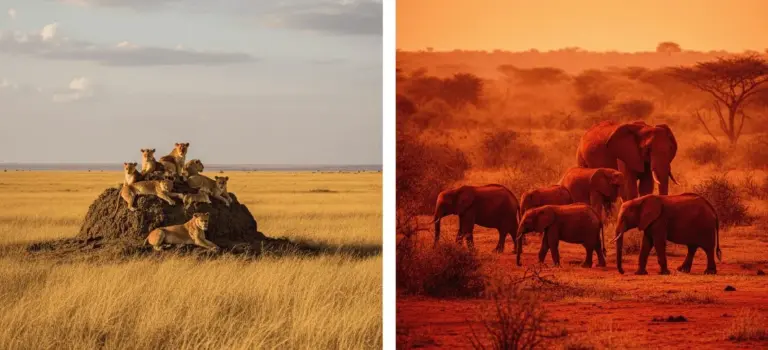
- Maasai Mara National Reserve: World-renowned for its unmatched concentration of lions, leopards, and cheetahs, the Mara is also the stage for the annual Great Wildebeest Migration (typically peaking between July and October), when millions of wildebeest and zebras cross the Mara River.
- Amboseli National Park: Famous for its large herds of free-ranging elephants, Amboseli offers some of Africa’s best photography opportunities set against the snow-capped backdrop of Mount Kilimanjaro just across the Tanzanian border.
- Tsavo East and Tsavo West National Parks: Together forming one of the largest protected wildlife areas in the world, Tsavo is celebrated for its red-dusted elephants, ancient lava flows, dramatic Lugard Falls, and the crystal-clear underwater viewing tanks at Mzima Springs.
- Nairobi National Park: The only national park in the world located within a capital city, offering half-day game drives where rhinos, giraffes, and lions roam against a backdrop of city skyscrapers just minutes from Jomo Kenyatta International Airport.
2. The Central Circuit: Mountains, Highlands, and Rhino Sanctuaries
Stretching north from Nairobi into the fertile central highlands, this circuit trades arid plains for cool mountain air, lush coffee and tea plantations, and some of East Africa’s most successful wildlife conservation sanctuaries.
- Mount Kenya National Park: Home to Africa’s second-highest peak (5,199 meters), Mount Kenya attracts trekkers, rock climbers, and hikers looking for alpine lakes, glaciers, and unique high-altitude flora without the heavy crowds of Kilimanjaro.
- Ol Pejeta Conservancy: Located on the Laikipia Plateau, this non-profit wildlife conservancy is the largest black rhino sanctuary in East Africa, home to a chimpanzee rescue sanctuary, and the guarded residence of the world’s last two northern white rhinos.
- Aberdare National Park: Characterized by dense bamboo forests, misty moorlands, and dramatic waterfalls like Karuru Falls, the Aberdares are famous for historic tree-house lodges where guests watch elephants and buffaloes gather at illuminated waterholes overnight.
3. The Rift Valley Circuit: Freshwater Lakes and Volcanic Wonders
Running northwest from Nairobi along the floor of the Great Rift Valley, this circuit is a paradise for birdwatchers, photographers, and active travelers. Because of its proximity to the capital, it is easily combined with the Southern Circuit for a seamless road trip.
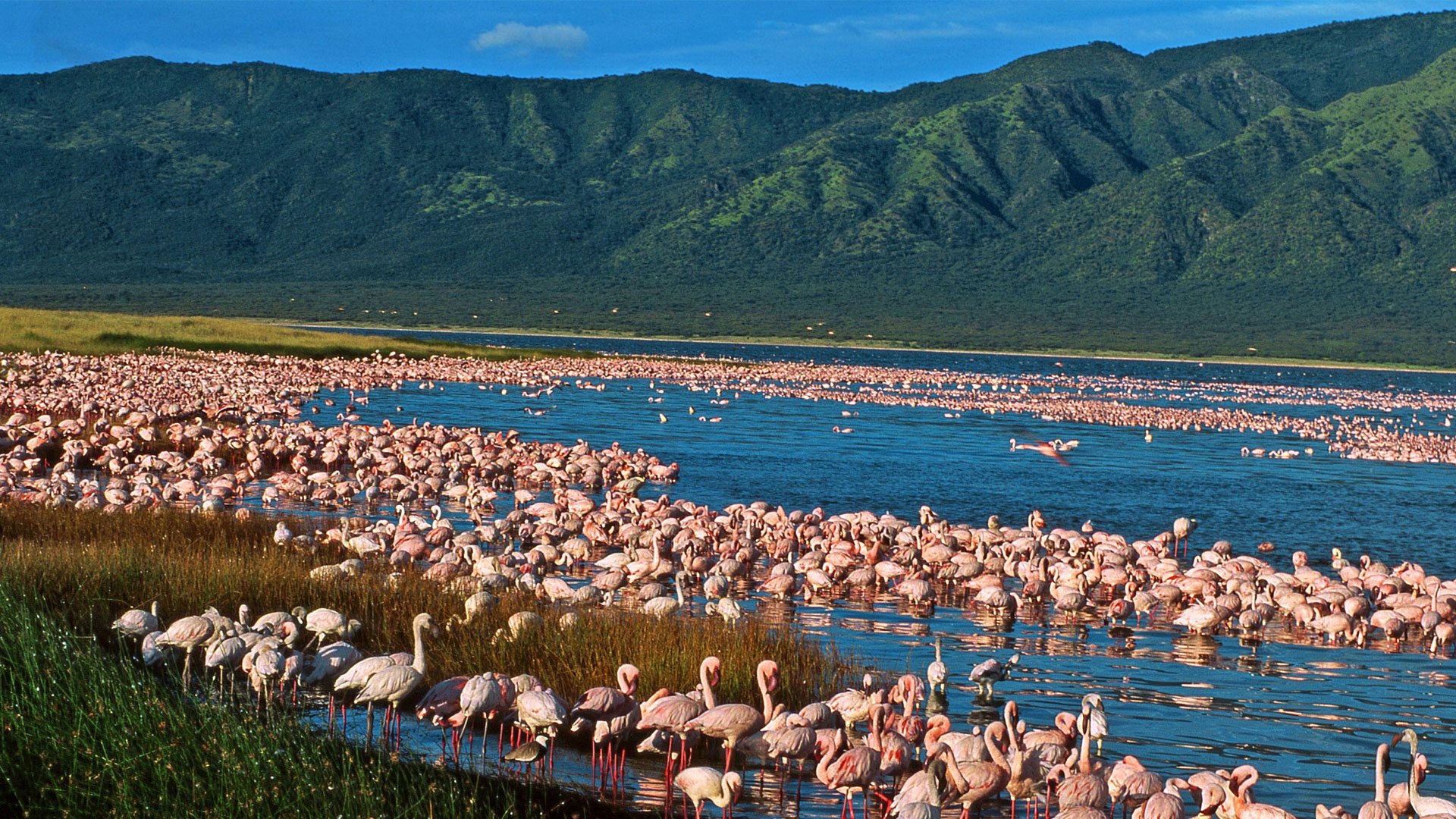
- Lake Nakuru National Park: Famous for its populations of both black and white rhinos, endangered Rothschild’s giraffes, tree-climbing lions, and seasonal flocks of pink flamingos feeding along the alkaline shoreline.
- Lake Naivasha and Hell’s Gate National Park: Enjoy peaceful boat safaris among hippos and fish eagles on freshwater Lake Naivasha before cycling or hiking past towering volcanic cliffs, gorges, and geothermal steam vents inside Hell’s Gate—one of the few parks in Kenya where walking and biking safaris are permitted.
- Lake Bogoria and Lake Baringo: Located further north in the valley, these neighboring lakes offer striking contrasts: Bogoria is famed for boiling geysers and hot springs, while freshwater Baringo is a world-class birding destination boasting over 470 recorded bird species.
4. The Coastal Circuit: Swahili Culture and Tropical Beaches
After days of early-morning game drives, the Coastal Circuit offers warm Indian Ocean waters, vibrant coral reefs, and centuries-old Swahili heritage.
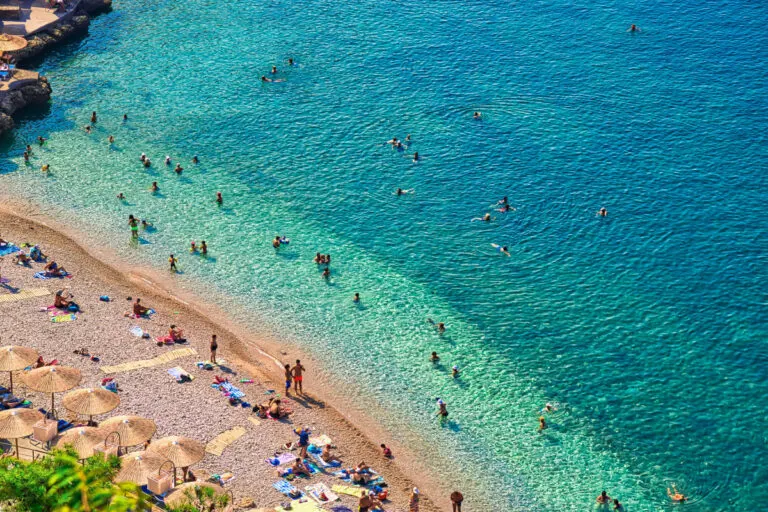
- Diani Beach: Frequently voted among Africa’s leading beach destinations, Diani features powdery white coral sand, boutique resorts, world-class kite surfing, and easy access to nearby Shimba Hills National Reserve.
- Mombasa: Kenya’s historic island port city blends Arab, Portuguese, and British influences. Highlights include the 16th-century Fort Jesus, bustling Old Town spice markets, and convenient rail connections via the Madaraka Express train from Nairobi.
- Watamu and Malindi: Situated along the north coast, these towns are known for protected marine national parks, sea turtle conservation centers, deep-sea fishing, and the mysterious 13th-century Swahili Gede Ruins hidden in coastal forest.
- Lamu Island: A UNESCO World Heritage Site where narrow, car-free alleys, traditional wooden sailing dhows, and intricately carved coral-stone architecture preserve centuries-old Swahili traditions at an unhurried pace.
5. The Northern Circuit: Rugged Wilderness and Rare Wildlife
For seasoned travelers seeking remote landscapes, dramatic escarpments, and fewer safari vehicles, the Northern Circuit delivers untamed beauty and arid-adapted species found nowhere else in southern Kenya.
- Samburu, Buffalo Springs, and Shaba National Reserves: Straddling the Ewaso Nyiro River, these neighboring reserves are home to the “Samburu Special Five”—the Grevy’s zebra, Somali ostrich, reticulated giraffe, long-necked gerenuk, and Beisa oryx—alongside rich Samburu pastoralist culture.
- Lewa Wildlife Conservancy: A global model for community-led conservation and luxury eco-tourism, offering walking safaris, horseback riding among wildlife, and camel treks.
- Lake Turkana: Known as the “Jade Sea” for its striking turquoise-green waters, Turkana is the world’s largest permanent desert lake and an extraordinary archaeological region celebrated as a cradle of humankind.
6. The Western Circuit: Rainforests and Lake Victoria
Often overlooked by international visitors, the Western Circuit showcases Kenya’s lush tropical side, rolling green hills, and vibrant lakeside hospitality.
- Kakamega Forest National Reserve: Kenya’s only tropical rainforest and the easternmost remnant of the ancient Guineo-Congolian rainforest, teeming with rare colobus monkeys, over 400 butterfly species, and vibrant forest birds.
- Kisumu and Lake Victoria: Explore the Kenyan shores of Africa’s largest freshwater lake, sample freshly caught tilapia by the waterfront, visit Kit Mikayi rock formations, and take a day trip to Ruma National Park—the only park in Kenya where you can spot the rare roan antelope.
Smart Tips for Planning Your Kenyan Circuit
- Combine “Bush and Beach”: One of the most rewarding ways to experience Kenya is pairing 4 to 5 days of wildlife viewing in the Southern or Rift Valley circuit with 3 to 4 days unwinding on the Coastal Circuit.
- Mix Your Transport Modes: Save travel time by taking domestic bush flights from Nairobi’s Wilson Airport directly into the Maasai Mara or Samburu, hop aboard the scenic SGR passenger train between Nairobi and Mombasa, or book a 4×4 rental vehicle with a local driver-guide for flexible Rift Valley road trips.
- Time Your Visit Around the Seasons: The dry seasons (January to March and July to October) offer optimal wildlife spotting as animals gather around water sources, while the green seasons (April to June and November) bring lush emerald landscapes, migratory birds, newborn wildlife, and lower hotel rates.
- Stay Connected on the Move: From digital park entry payments via Kenya’s eCitizen platform to navigating between lodges and sharing wildlife photos on the go, setting up an international travel eSIM before you land ensures reliable data coverage without hunting for local SIM kiosks at the airport.
Frequently Asked Questions About Kenyan Tourist Circuits
Which Kenyan tourist circuit is best for first-time safari visitors?
The Southern Circuit is recommended for beginners due to close proximity to Nairobi and iconic highlights like the Maasai Mara and Amboseli.
How many days do you need to explore Kenya’s tourist circuits?
Allow 7 to 10 days to combine two different regions, such as pairing a wildlife safari with a coastal retreat.
What is the best time of year to visit Kenya’s safari circuits?
The dry months of January–March and July–October provide optimal wildlife viewing, with July–October marking the Great Migration.
Can you combine multiple Kenyan tourist circuits in one trip?
Yes, circuits can be linked via domestic flights from Wilson Airport, the SGR train to the coast, or private road transfers.