
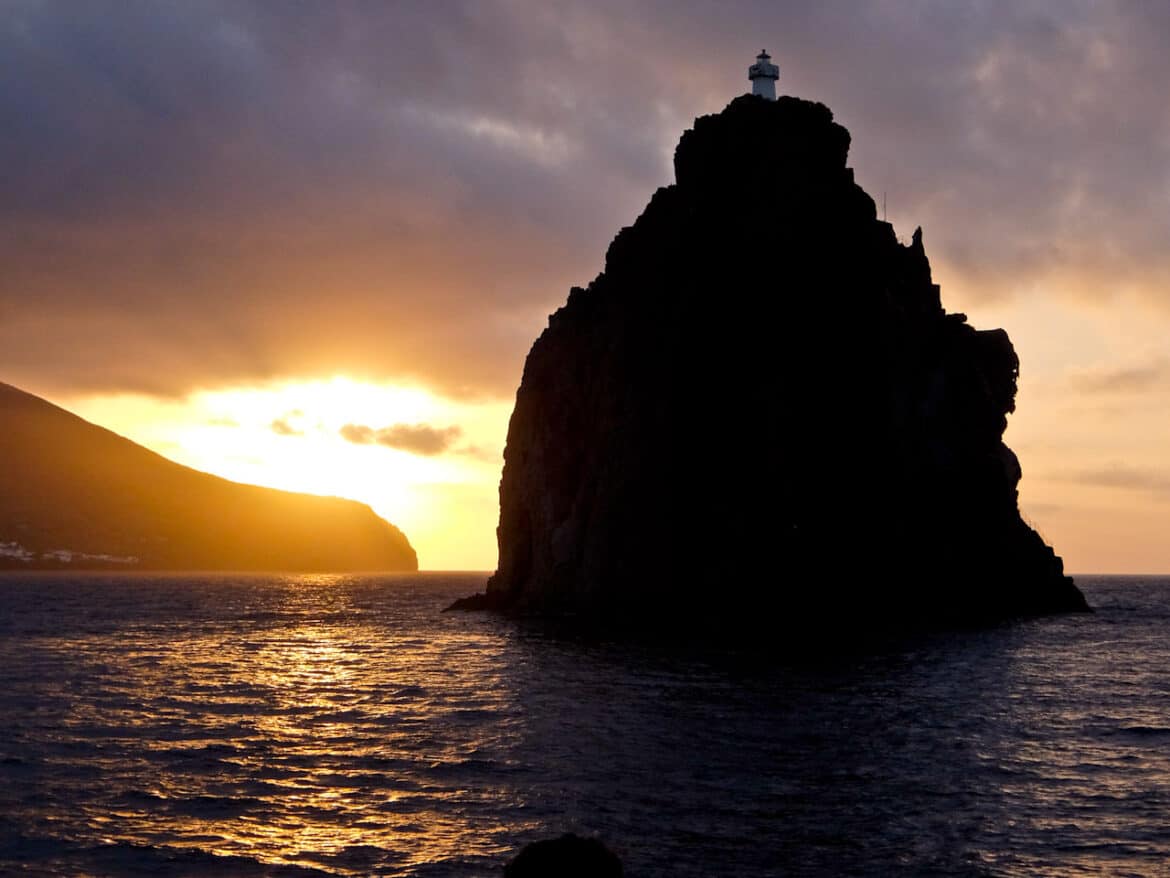
A short ferry hop from Sicily, the Aeolian islands are some of Italy’s lesser known gems.
The seven volcanic Aeolian Islands, off the north coast of Sicily, are not as well-known as they should be. They were formed half a million years ago when two tectonic plates collided, thrusting molten magma to the surface. There are still active volcanoes today – Stromboli has continuous explosions sending cascades of lava bombs to illuminate the night sky. Vulcano, last erupted in 1888, but smoke and steam continuously rises from the edges of the crater.
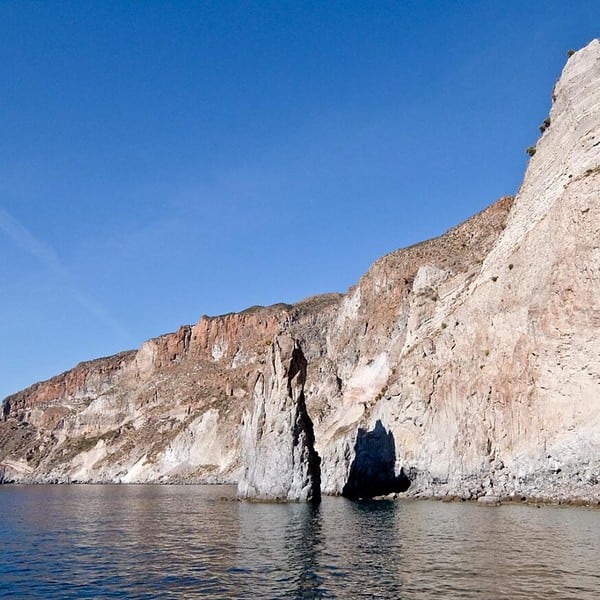
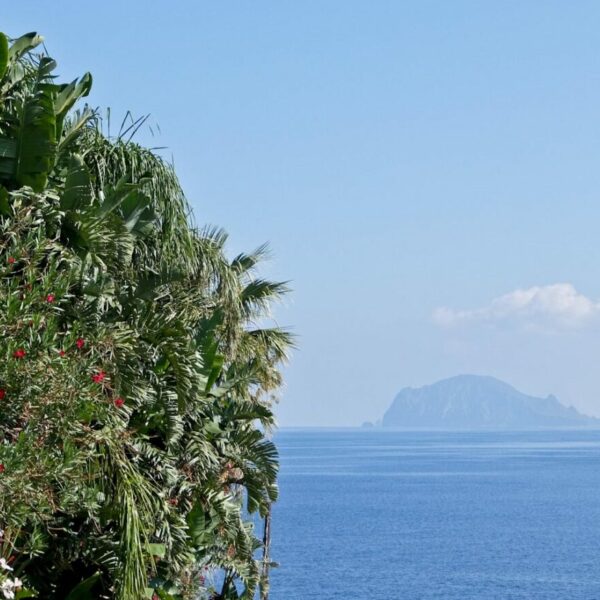
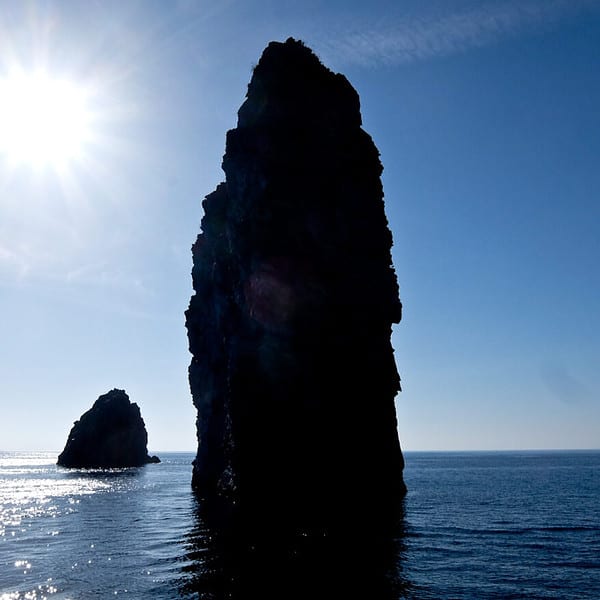
I’m here as a result of a tipoff from the Mirabilia Network which promotes lesser known Italian UNESCO World Heritage Sites and surrounding areas. Named after Aeolus, the Greek god of the winds, the islands’ rugged beauty consists of dramatic rock formations rising up from crystal clear waters.
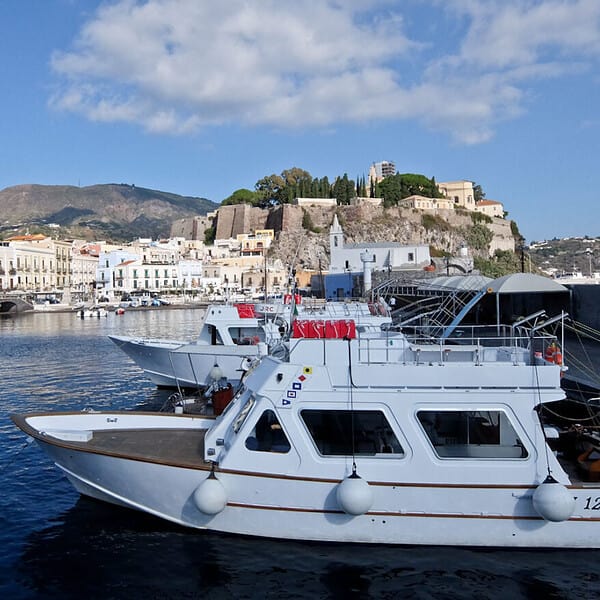
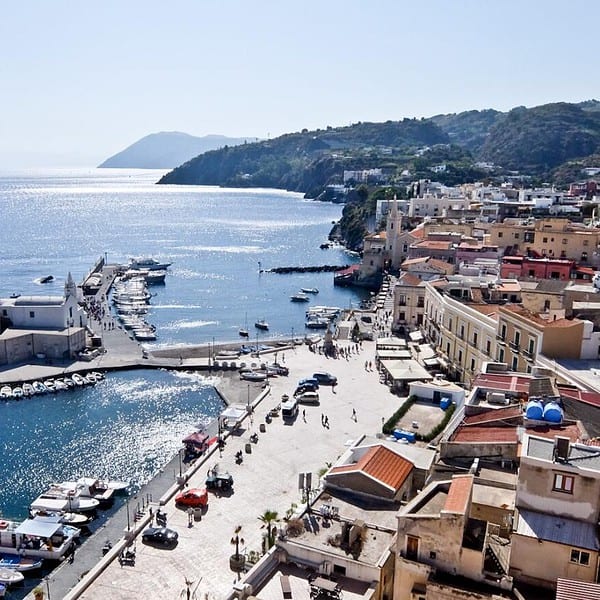
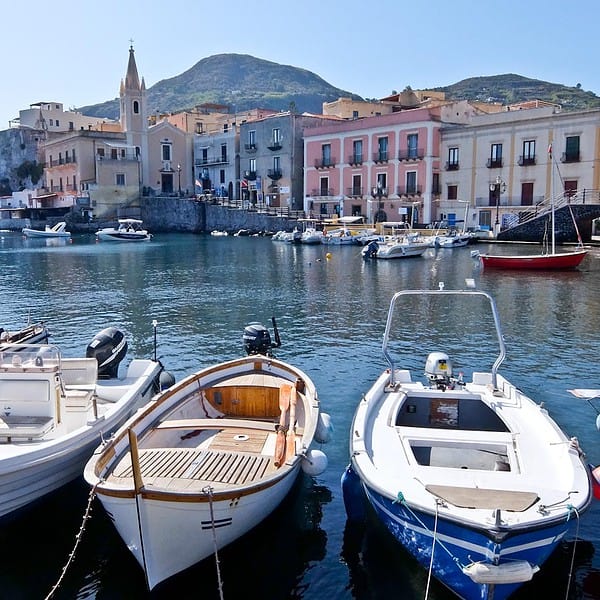
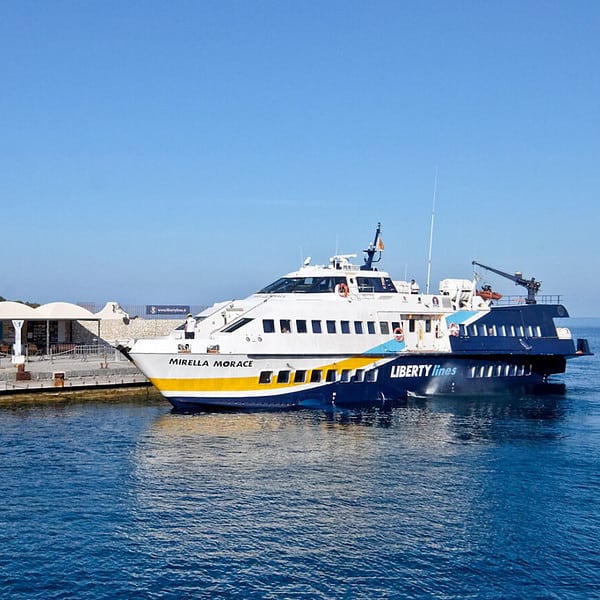
Access is only by boat, as there’s no airport, either from Naples or the north coast of Sicily. In the summer the islands are packed by Italian tourists but spring and autumn are delightfully quiet. The weather is still warm enough for swimming yet not too hot for hiking around the volcanoes
Lipari
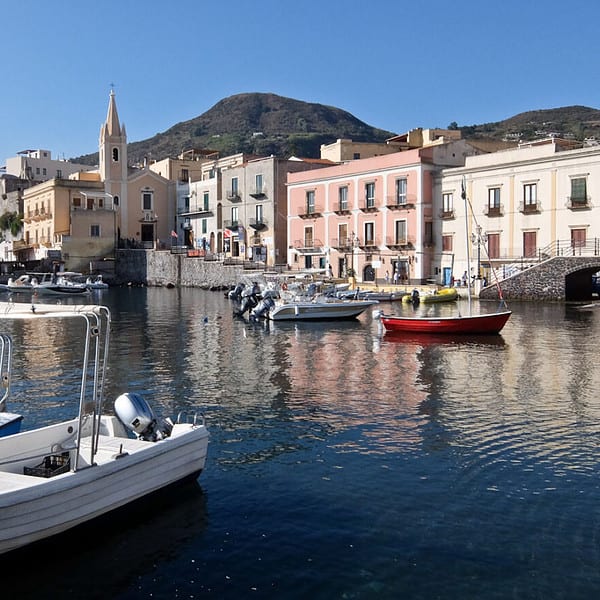
Lipari is the largest island and the main landing point for the ferries from the mainland and the other islands. The main town, Lipari, is a charming, bustling place with its narrow cobbled streets, whitewashed buildings and restaurants. Towering above the sea is the Castello di Lipari, its formidable walls and imposing towers offer panoramic views of the town and surrounding islands.
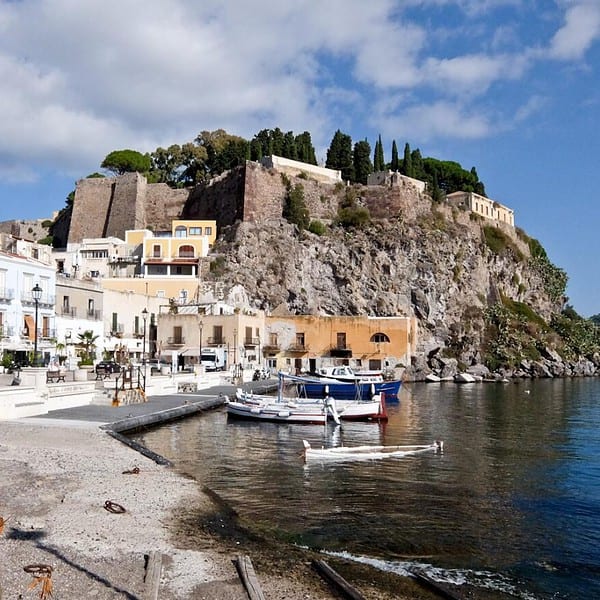
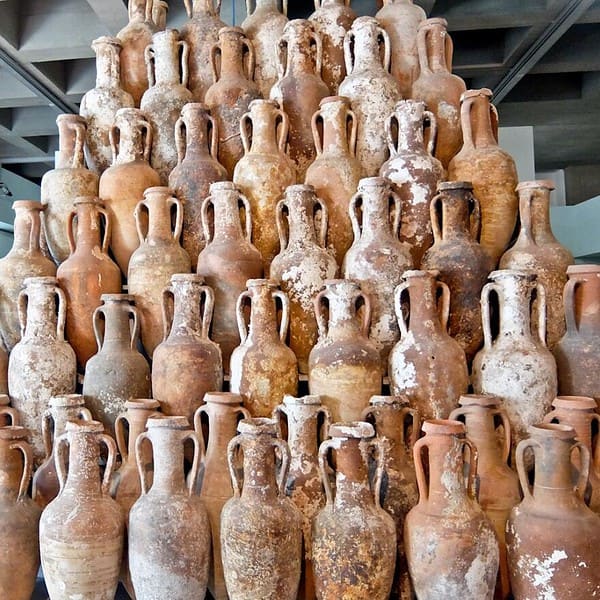
This was once the citadel for the town and contains the Cathedral and other buildings. One of them contains the Archaeological Museum which houses an incredible collection of artefacts that illuminate the island’s past. Ancient pottery, tools, and artwork provide a glimpse into the lives of Lipari’s inhabitants throughout different eras. The prized Venus of Lipari, a captivating Greek marble statue from the 4th century BC, is the crown jewel of this collection.
Salina
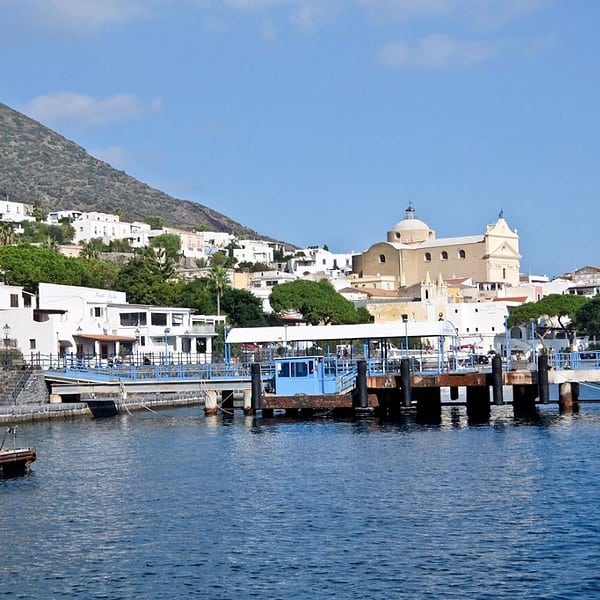
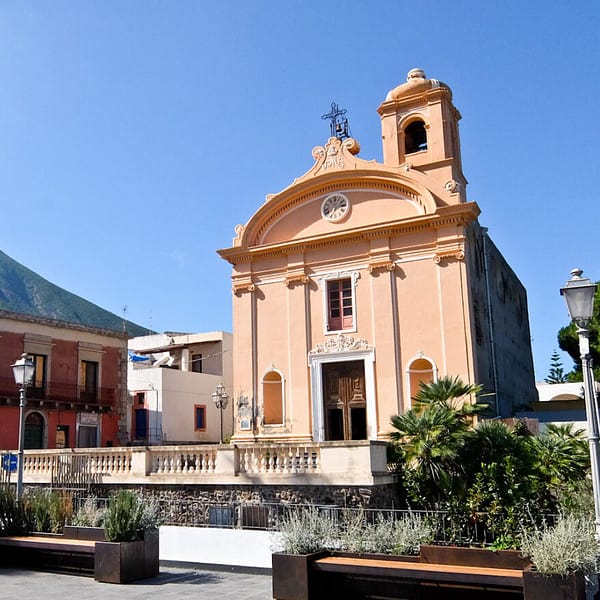
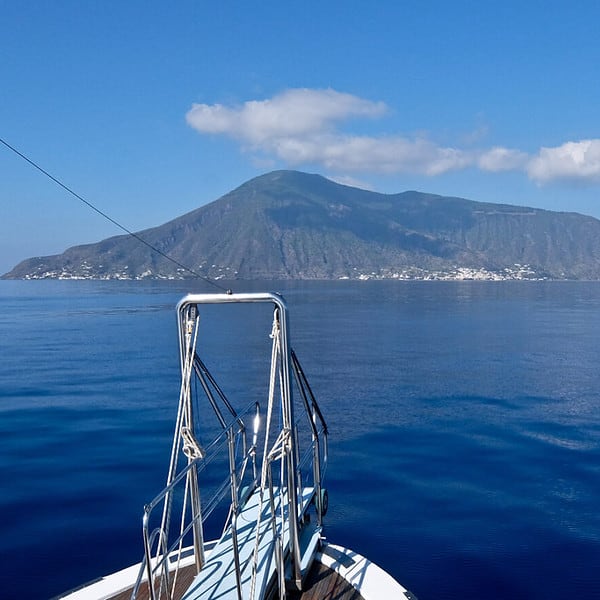
30 minutes by boat from Lipari, Salina is considered the greenest of the Aeolian Islands, and is a major producer of Malavasia wine, grown on its terraced hillsides. You’ll land at Santa Marina Salina, the island’s principal town with its waterfront promenade, line with colourful fishing boats. Many don’t get much farther than this, stopping for fresh seafood and a glass of Malvasia.
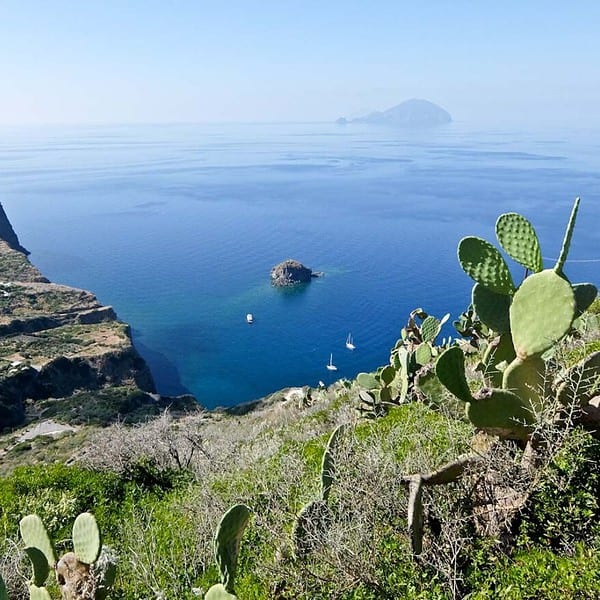
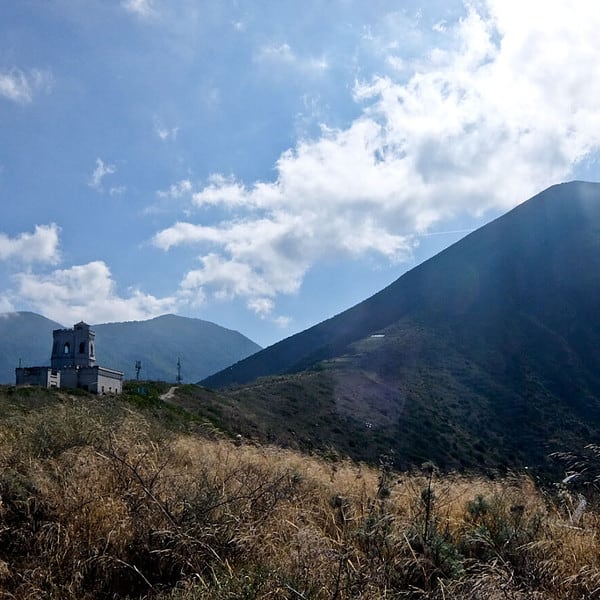
Yet the smaller villages of Malfa, Pollara, and Leni each possess unique charms and should not be missed. Malfa is famous for its botanical gardens, terraced vineyards, and stunning views of the sea and neighbouring islands. In the North West is Pollara, the location for the movie “Il Postino”, and still fairly isolated, sprawling on a plateau above the sea.
Vulcano
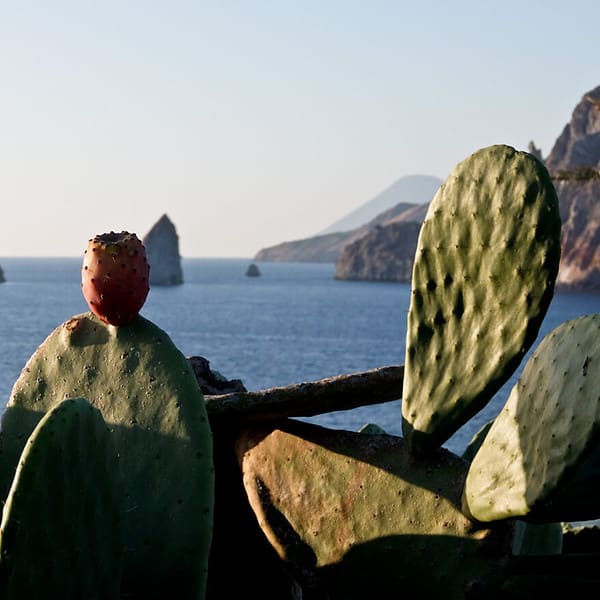
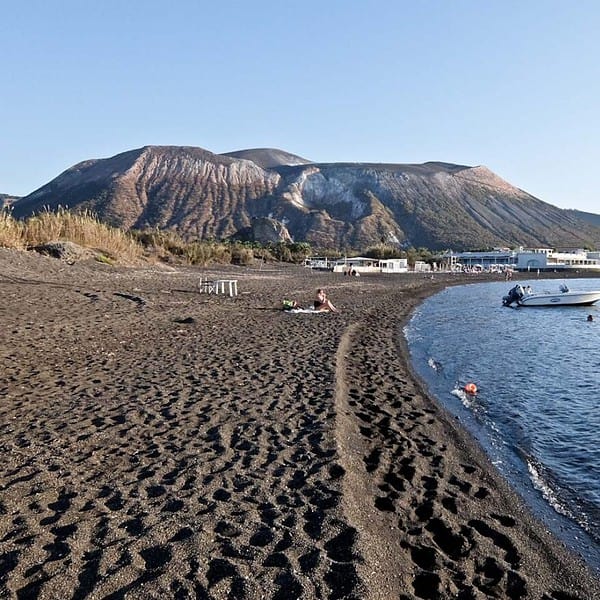
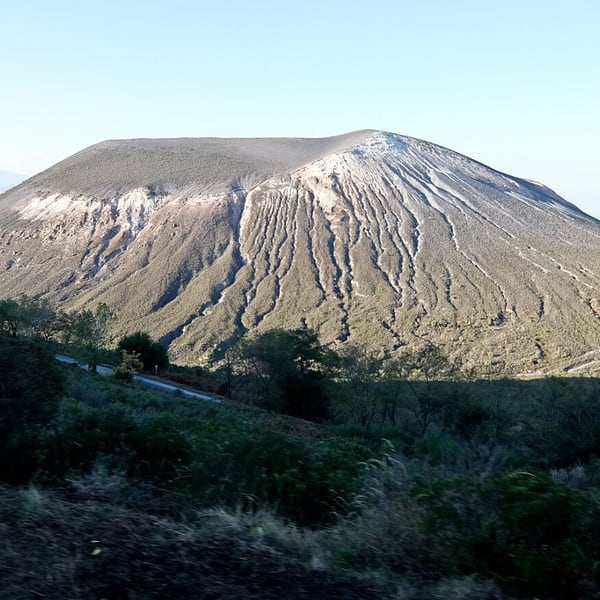
Twenty minutes from Lipari, in the other direction, Vulcano, no surprise, is an island named for its volcanic activities. You smell sulphur in the air as you step off the boat with steam and gases escaping Gran Cratere, a massive volcanic crater, above. Challenging hiking trails lead to the rim for breath-taking panoramic views of the island and its neighbouring companions
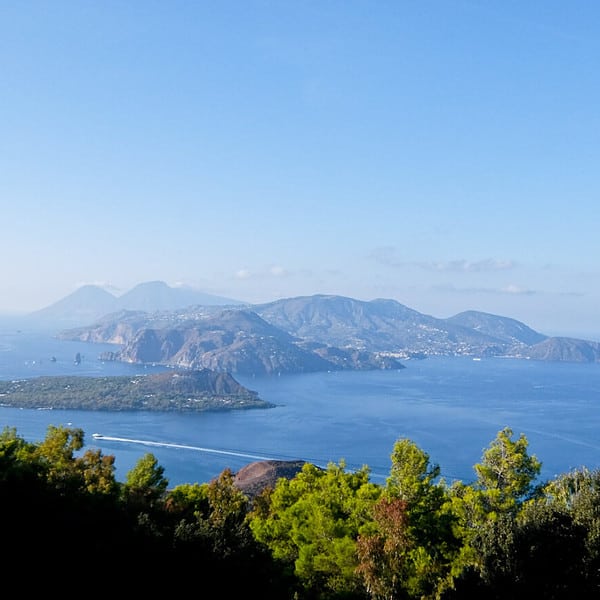
Don’t miss the therapeutic mud baths, where visitors can slather themselves in mineral-rich mud and then wash off in the hot springs nearby The island has a selection of black sand beaches, with Piaggia delle Sabbie Nere the favourite for families because of its shallow water. The coastline offers several opportunities for snorkelling and diving, with underwater caves and vibrant marine life waiting to be discovered.
Panarea
On the way to Stromboli, an hour and a half from Lipari, Panarea is the smallest and most exclusive of the Aeolian Islands. The port, San Pietro, is a picture-postcard collection of whitewashed buildings adorned with colourful bougainvillea and fragrant jasmine. The narrow streets are lined with luxury boutiques and high-end restaurants.
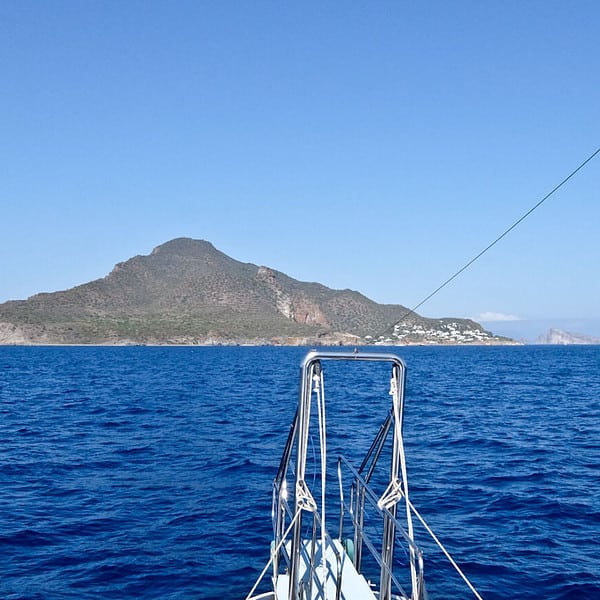
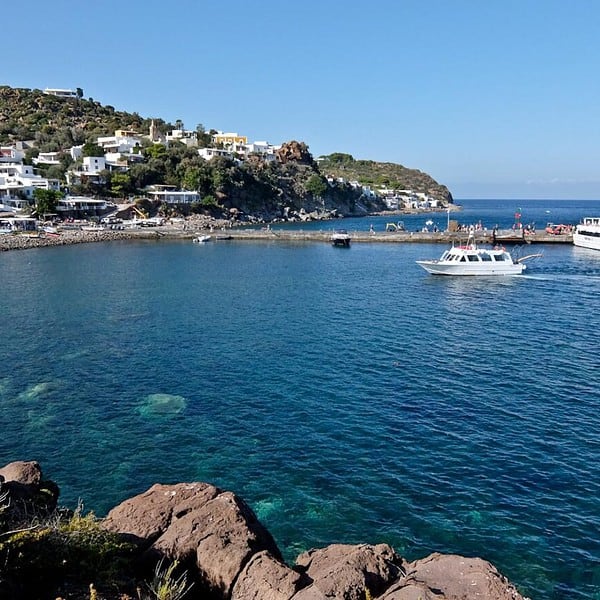
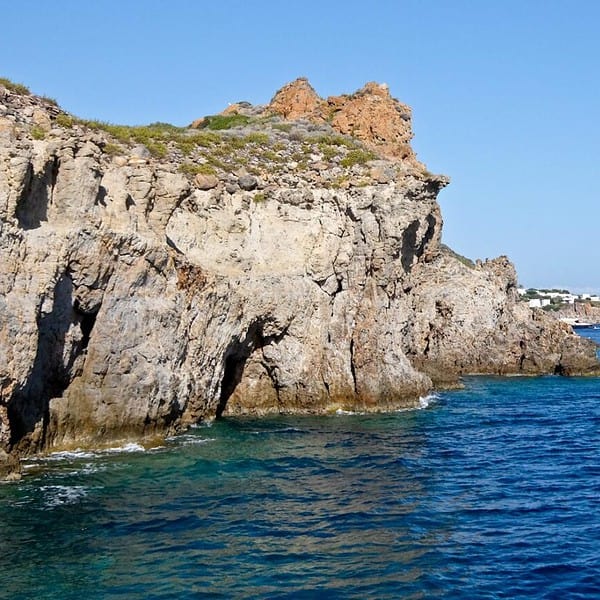
The coastline is peppered with small hidden coves, best accessed by small boat from San Pietro. Panarea’s unique attraction is the prehistoric village of Punta Milazzese, in the rugged North West. These ruins date back to the Bronze Age and the stone structures provide a fascinating glimpse into the island’s history
Stromboli
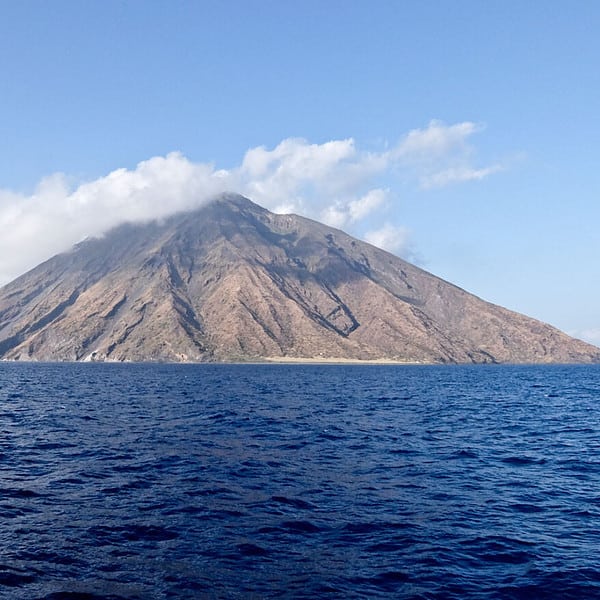
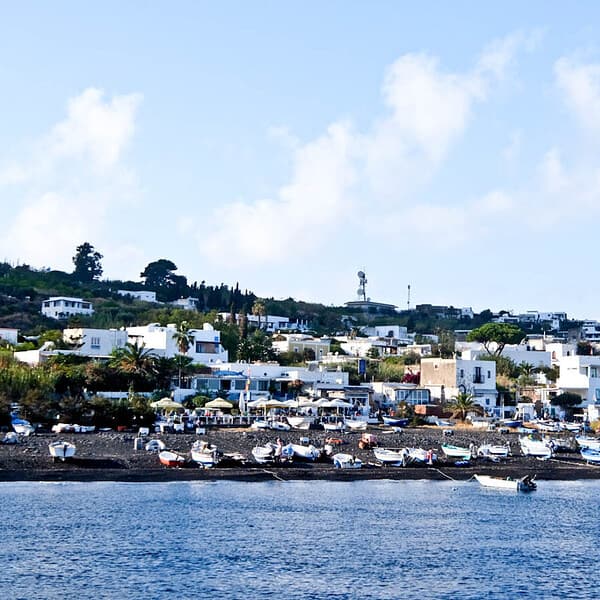
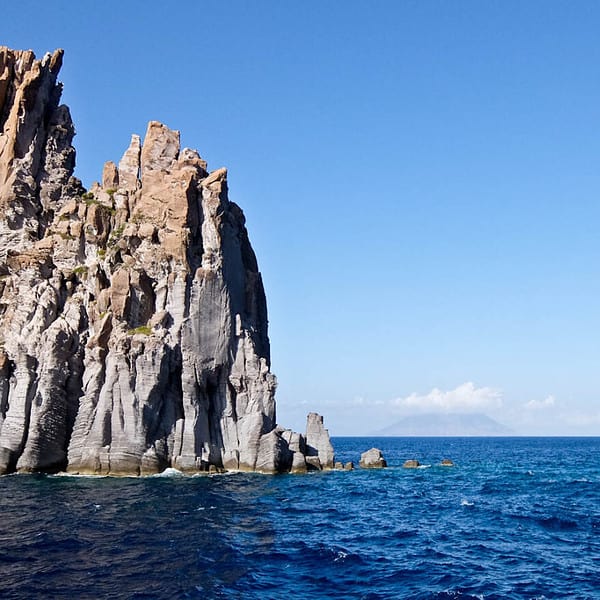
An hour from Panarea is Stromboli, home to one of the world’s most active volcanoes. As you approach, if there’s no cloud, you’re greeted by the volcanic cone of Sciara del Fuoco, crowned with plumes of smoke. Testament to frequent eruptions is the extensive blackened lava flow that plunges down the mountain into the crystal-clear Mediterranean. Volcanic activity is closely monitored so everyone can stay safe.
Credit: Source link