
While Kenya is world-famous for its classic fly-in wildlife safaris, the country is also East Africa’s premier playground for adrenaline seekers and outdoor enthusiasts. Within its borders lie snow-capped equatorial peaks, dramatic volcanic gorges, roaring white-water rivers, and wind-swept Indian Ocean coral reefs.
Whether you are planning a rugged solo expedition, a multi-day overland journey, or adding a dose of high-energy exploration to a family holiday, stepping outside the safari vehicle reveals a completely different side of the country. Below is our comprehensive guide to the top adventure spots in Kenya, complete with practical logistics, seasonal advice, and planning tips.
1. Mount Kenya: High-Altitude Trekking and Alpine Climbing
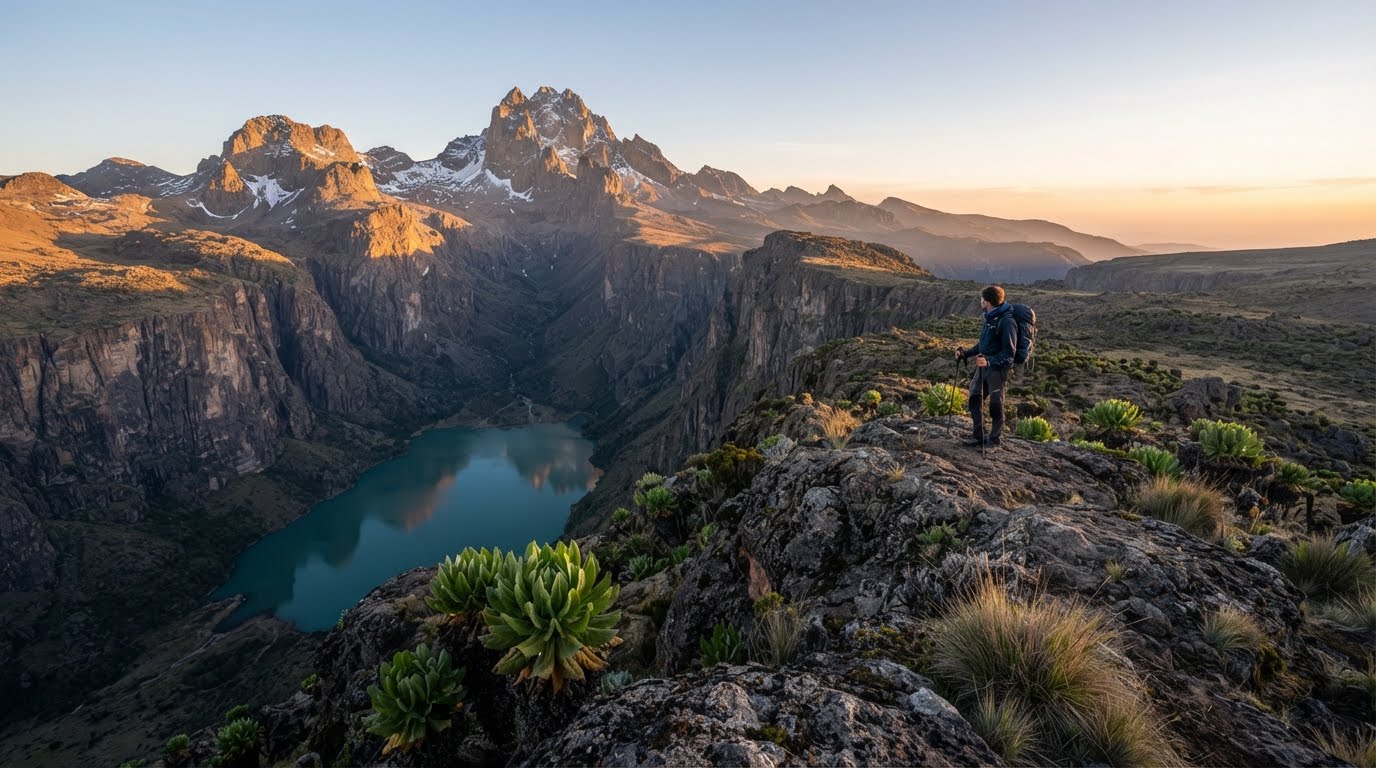
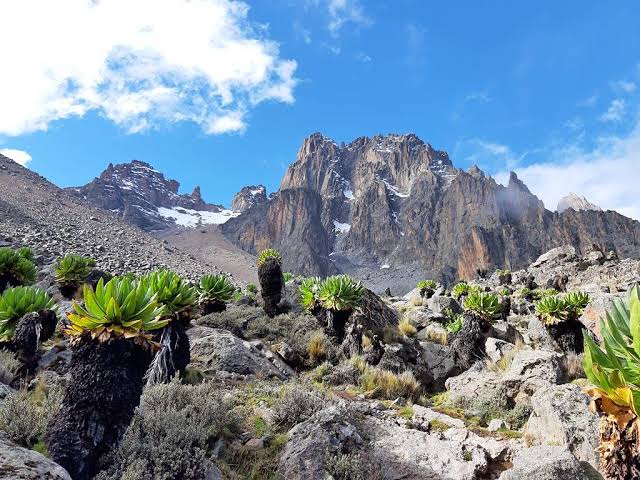
Standing at 5,199 meters (17,057 feet), Mount Kenya is the second-highest peak in Africa and a bucket-list destination for serious hikers and technical mountaineers. Unlike Mount Kilimanjaro, which is largely a non-technical walk-up, Mount Kenya features jagged volcanic spires, glacial valleys, alpine tarns, and world-class rock and ice climbs.
What to Do
- Summit Point Lenana (4,985m): The highest trekking peak on the mountain, reachable without technical climbing gear over a 4- to 6-day expedition.
- Technical Climbing on Batian and Nelion: Experienced alpinists can tackle multi-pitch rock and ice routes up the twin volcanic summits.
- High-Altitude Trout Fishing: Cast a line in crystal-clear glacial streams and mountain lakes like Lake Alice and Lake Ellis.
Choosing Your Route
- Sirimon Route: Approaching from the drier northwest side near Nanyuki, this route offers a gradual ascent ideal for acclimatization.
- Chogoria Route: Widely considered the most scenic trail on the mountain, passing the dramatic Gorges Valley, Temple Cliffs, and Hall Tarns. Many trekkers ascend via Sirimon and descend via Chogoria for the best of both worlds.
Best Time to Visit
Plan your climb during the dry windows from January to February or August to September, when skies are clear and trails are free of heavy snow and mud.
2. Hell’s Gate National Park: Cycling and Rock Climbing Amid Wildlife
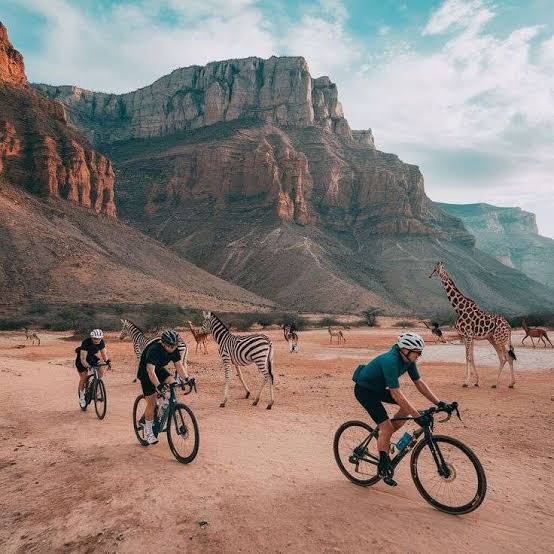
Located just south of Lake Naivasha in the Great Rift Valley, Hell’s Gate National Park is one of the very few national parks in Africa where visitors are permitted to explore on foot or by bicycle without a vehicle. Towering red basalt cliffs, hissing geothermal steam vents, and dramatic gorges create an unforgettable backdrop for active exploration.
What to Do
- Wildlife Mountain Biking: Pedal along dirt tracks past grazing zebras, giraffes, Thomson’s gazelles, and warthogs.
- Rock Climbing on Fischer’s Tower: Test your grip on this 25-meter volcanic plug near the main entrance, which offers bolted routes suitable for both beginners and intermediate climbers.
- Hiking the Gorge and Geothermal Spa: Hike down into the narrow, water-sculpted canyon walls before relaxing in the nearby Olkaria Geothermal Spa—a massive natural hot-spring lagoon heated by volcanic activity.
Practical Tip
Rent a mountain bike directly at the Elsa Gate entrance and hire an official park guide before entering the lower gorge, as flash floods can occur during rainy weather.
3. Sagana and the Tana River: White-Water Rafting and Bungee Jumping
Less than two hours north of Nairobi, the town of Sagana sits along the Tana River—Kenya’s longest river—and serves as the nation’s undisputed capital for river sports and aerial thrills.
What to Do
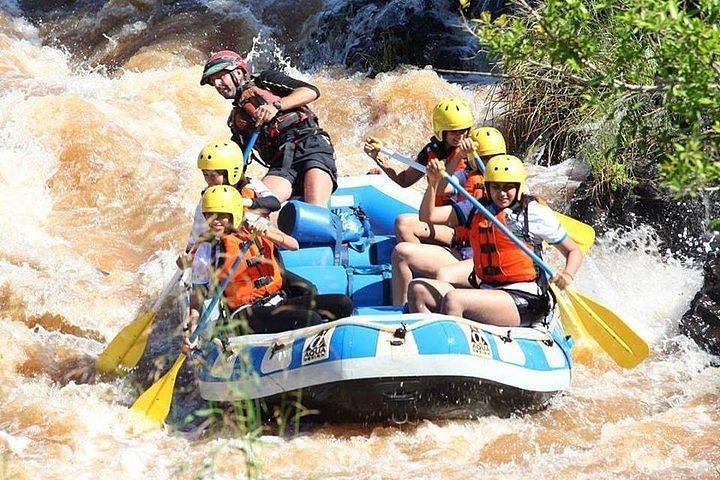
- White-Water Rafting and Kayaking: Navigate exciting Class III to V rapids—with names like Captain’s Folly and Sphincter Factor—interspersed with calm stretches ideal for river swimming and birdwatching.
- Bungee Jumping: Take a 60-meter leap from a riverside tower overlooking the rushing waters of the Tana.
- Zip-Lining and Archery: Several riverside adventure camps offer multi-line canopy zip tours, rock climbing walls, and team obstacle courses.
Best Time to Visit
Sagana operates year-round. Visit during the rainy seasons (April to May and November to December) for high-volume, intense rapids, or visit during the drier months for technical, family-friendly floats.
4. Diani Beach and Watamu: Kitesurfing and Deep-Sea Diving
Kenya’s Indian Ocean coastline pairs powdery white sand with world-class marine adventures. Warm waters, steady trade winds, and thriving barrier reefs make Diani Beach on the south coast and Watamu Marine National Park on the north coast magnets for water-sports lovers.
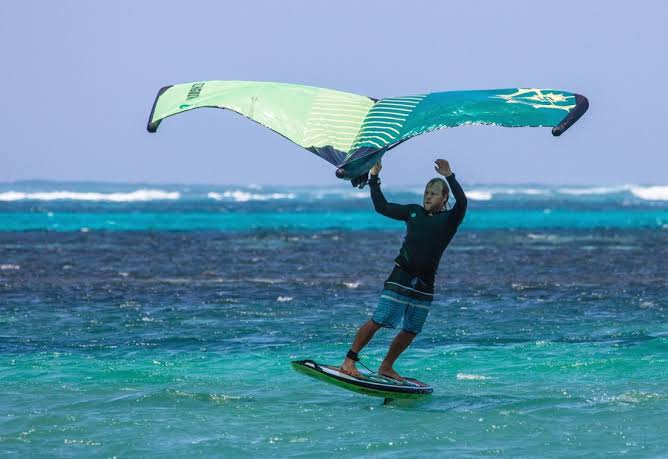
Kitesurfer jumping over turquoise Indian Ocean waves along the white-sand shoreline of Diani Beach, KenyaWhat to Do
- Kitesurfing and Windsurfing: Shallow, flat-water lagoons protected by outer coral reefs provide safe, consistent conditions for beginners learning to ride and pros practicing freestyle tricks.
- Scuba Diving and Snorkeling: Explore vibrant coral gardens, sunken wrecks, and marine reserves teeming with sea turtles, reef sharks, dolphins, and seasonal whale sharks (typically spotted between October and March).
- Deep-Sea Sport Fishing: Charter a boat out of Watamu or Shimoni for big-game tag-and-release fishing for marlin, sailfish, and yellowfin tuna.
- Short on time? You can easily add kitesurfing or diving to our 7-day Kenya bush and beach itinerary to balance wildlife drives with coastal adrenaline.
Best Time to Visit
For wind sports, aim for the Kuzi winds (July to September) or the Kaskazi winds (December to March). For calm, crystal-clear diving visibility, October to March is ideal.
5. Samburu, Laikipia, and Northern Kenya: Camel Safaris and Desert Expeditions
Understanding how Kenya’s major tourist circuits connect makes it easy to pair a northern desert expedition with a Rift Valley lake stop.
For travelers craving rugged, off-the-beaten-path exploration, Kenya’s arid north delivers raw wilderness and deep cultural immersion far from crowded game-drive circuits.
What to Do
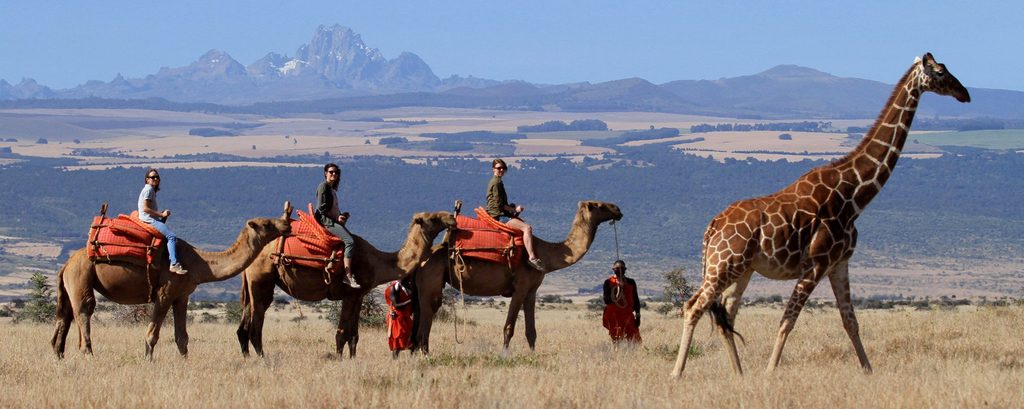
- Guided Camel and Walking Safaris: Trek across the Laikipia Plateau and Samburu conservancies alongside local Samburu guides, using camels to carry camp gear into remote riverbeds.
- Quad Biking and Mountain Biking: Ride across open savannahs, dry luggas (sand rivers), and rocky kopjes with panoramic views of Mount Kenya and Ololokwe.
- Heli-Hiking in the Mathews Range: Fly into mist-shrouded mountain forests rising out of the desert floor to hike untouched elephant trails and swim in secluded rock pools.
Why Go
Northern Kenya offers the chance to spot the “Samburu Special Five”—Grevy’s zebra, reticulated giraffe, Somali ostrich, gerenuk, and Beisa oryx—while experiencing true wilderness solitude.
6. Chyulu Hills and Tsavo: Lava Tube Caving and Overland Expeditions
Stretching between Amboseli and Tsavo West National Parks, the Chyulu Hills are a young volcanic mountain range offering sweeping views of Mount Kilimanjaro and unique underground exploration.
What to Do
- Caving in Leviathan Cave: Descend into one of the longest and deepest lava tubes in the world, stretching over 11 kilometers beneath the volcanic hills.
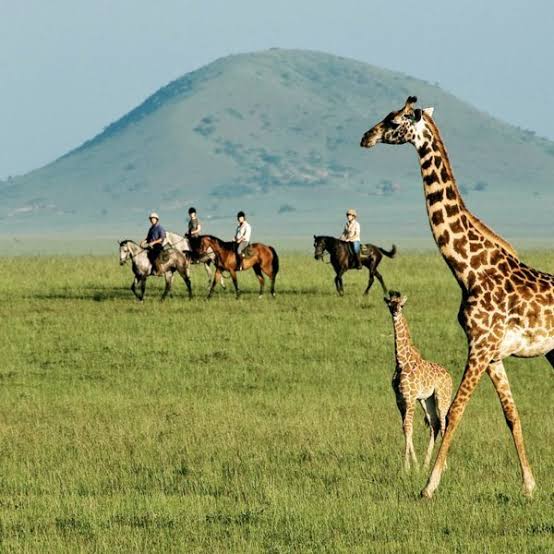
- Horseback Safaris: Canter across rolling green volcanic ridges alongside herds of eland, zebra, and giraffe without the sound of an engine.
- 4×4 Overland Drives: Tackle rugged black lava flows, volcanic cones, and remote tracks linking Tsavo West, Tsavo East, and the Taita Hills.
7. Lake Turkana and Chalbi Desert: Extreme Frontier Expeditions
For hardened adventurers seeking one of Africa’s last great frontiers, Lake Turkana—the world’s largest permanent desert lake—and the adjacent Chalbi Desert offer an unforgettable expedition.
What to Do
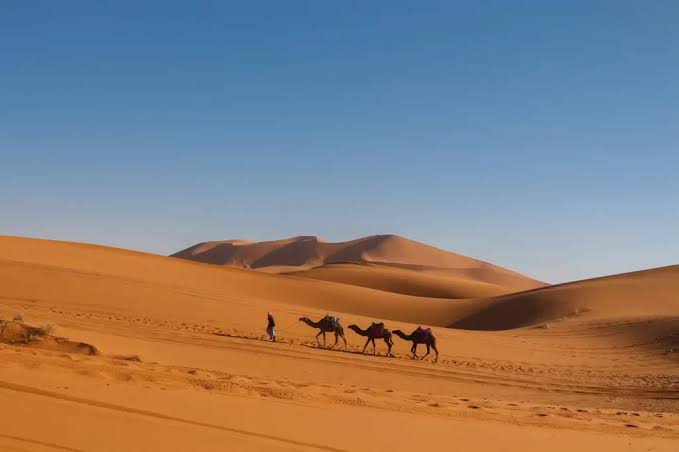
- 4×4 Desert Crossing: Drive across vast salt flats, sand dunes, and volcanic badlands in a convoy of equipped off-road vehicles.
- Central Island National Park: Take a boat across the turquoise “Jade Sea” to hike up active volcanic craters housing crater lakes and large populations of Nile crocodiles.
Essential Tips for Planning Your Kenya Adventure Trip
- Book Transport and Stays Early: Base towns like Nanyuki (for Mount Kenya), Naivasha, and Diani fill up quickly during peak dry seasons. Compare flights, adventure lodges, and 4×4 car rentals in advance to lock in the best rates.
- Pack for Dramatic Microclimates: Kenya’s temperatures shift drastically by altitude. You can experience sub-zero winds on Mount Kenya and 30°C (86°F) tropical humidity on the coast within 24 hours. Pack moisture-wicking layers, a waterproof shell, and broken-in trail shoes.
- Stay Connected in Remote Areas: Trailheads, rural highways, and coastal towns often have unreliable Wi-Fi. Installing an international travel eSIM before landing in Nairobi ensures instant data access for offline navigation, weather checks, and local transfers.
- Hire Certified Local Guides: Whether tackling technical climbs, gorge hikes, or Grade V rapids, certified local guides provide vital safety oversight and deep ecological knowledge.
Frequently Asked Questions (FAQ )
What is the best month for adventure travel in Kenya?
The best months for outdoor adventure in Kenya are January to February and July to September. These dry seasons offer the clearest skies for climbing Mount Kenya, dry dirt tracks for mountain biking in Hell’s Gate, and strong trade winds for kitesurfing in Diani Beach.
Do I need a guide to hike Mount Kenya or Hell’s Gate?
Yes, hiring a licensed guide is mandatory for multi-day treks on Mount Kenya to ensure altitude safety and route navigation. In Hell’s Gate National Park, you can cycle the main park roads independently, but a local guide is strongly recommended—and often required during wet conditions—when hiking inside the lower gorge.
Is Kenya safe for adventure sports like white-water rafting and diving?
Yes, provided you book with certified operators. Reputable rafting companies in Sagana and PADI-certified dive centers in Diani Beach and Watamu follow international safety standards, provide modern equipment, and conduct thorough safety briefings before every excursion.
Can I combine a traditional safari with adventure activities in one trip?
Absolutely. Many of Kenya’s top adventure hubs sit right next to premier wildlife reserves. You can cycle past wildlife in Hell’s Gate near Lake Nakuru, go horseback riding in the Chyulu Hills beside Amboseli, or fly directly from a Maasai Mara safari to Diani Beach for kitesurfing and diving.
What gear should I pack for an active trip to Kenya?
Pack breathable, moisture-wicking clothing for warm days, a warm fleece or down jacket for chilly highland mornings and mountain peaks, a lightweight waterproof rain shell, sturdy hiking shoes, polarized sunglasses, reef-safe sunscreen, and a dry bag for river or coastal water sports.